 1984
studiofashionBaseline preview
1980s Softbox Studio Portrait
A polished single-person studio portrait with softbox light, tailored power styling, and authentic 1980s film character.
80S PORTRAIT COLLECTION
Studio lighting, era-accurate styling, and identity-preserving portraits. Copy any complete prompt below and tune the subject to your own reference image.
1984A polished single-person studio portrait with softbox light, tailored power styling, and authentic 1980s film character.
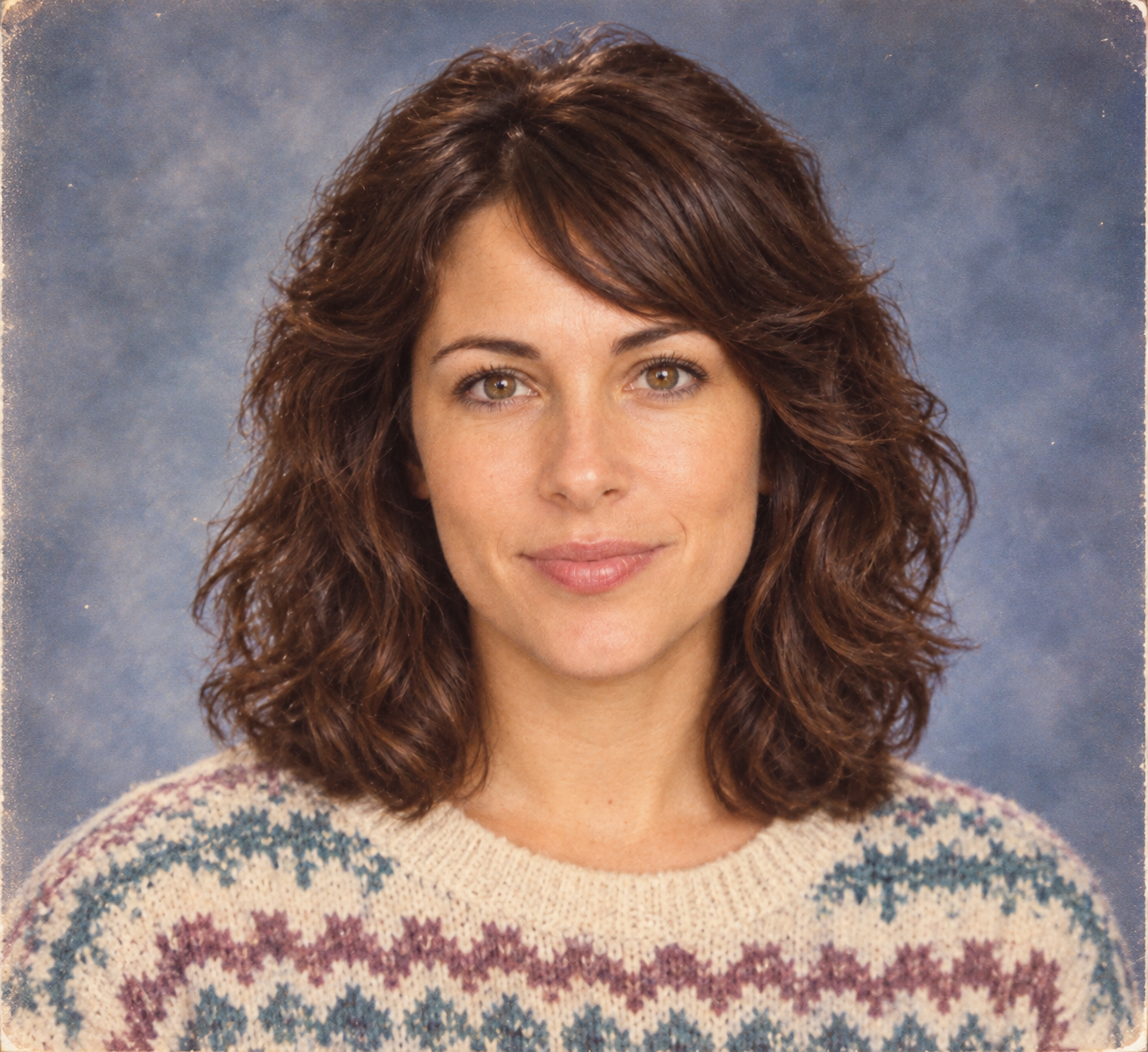 1987
A believable 1987 school yearbook head-and-shoulders portrait with flat studio lighting and period print texture.
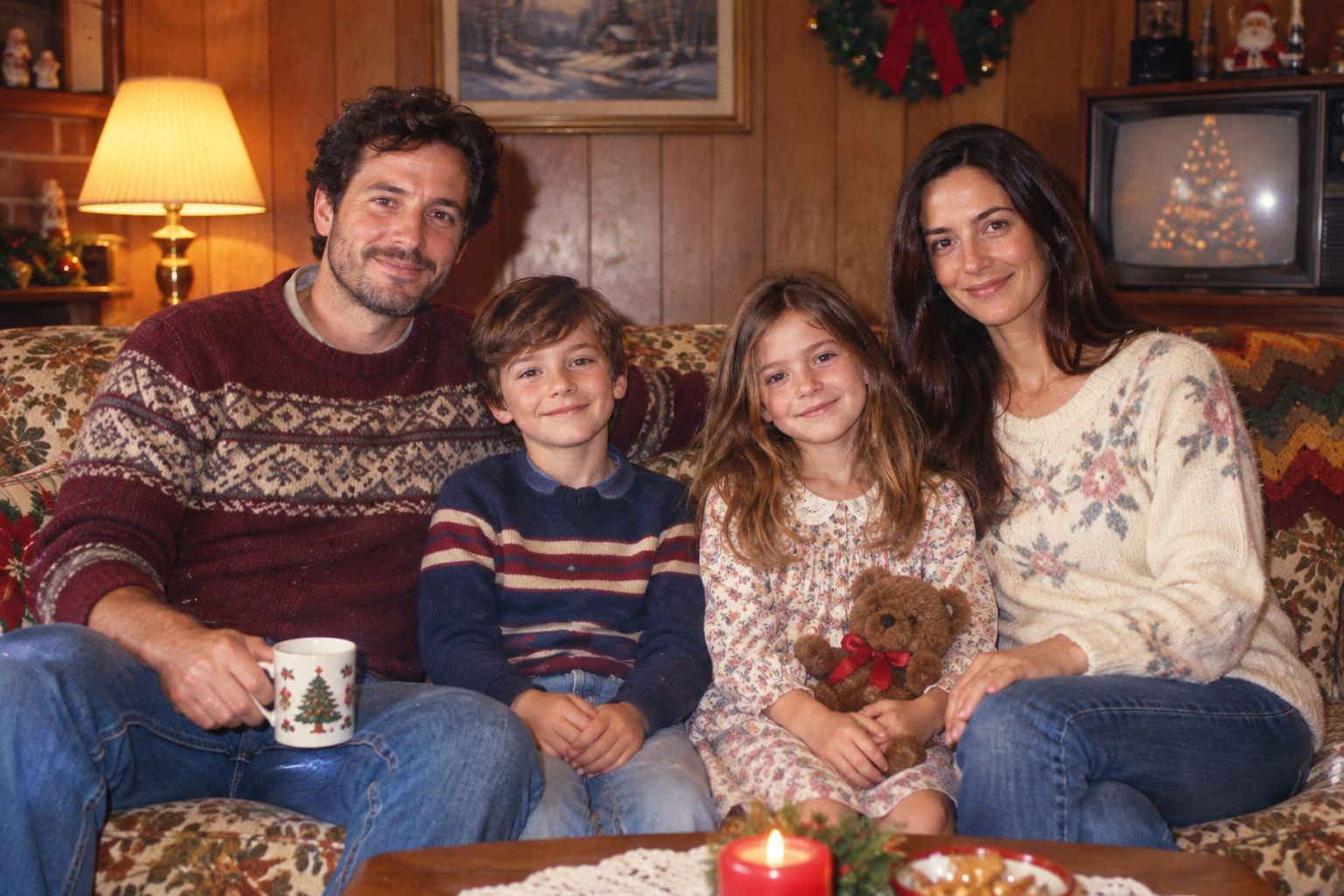 1986
A candid family-of-four living-room photograph with period furniture, on-camera flash, and natural documentary energy.
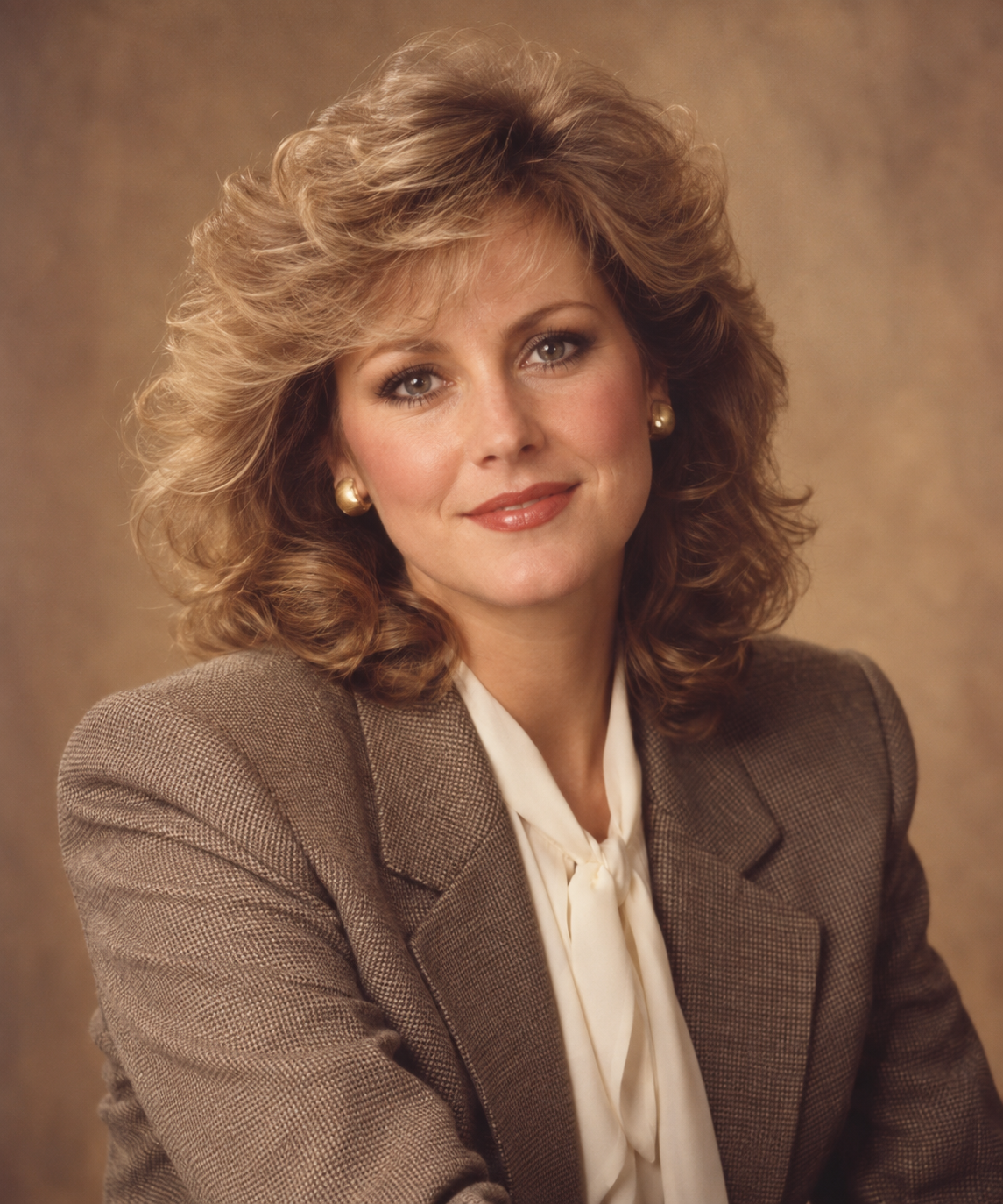 1983
A glossy 1983 editorial portrait with soft beauty light and understated period styling.
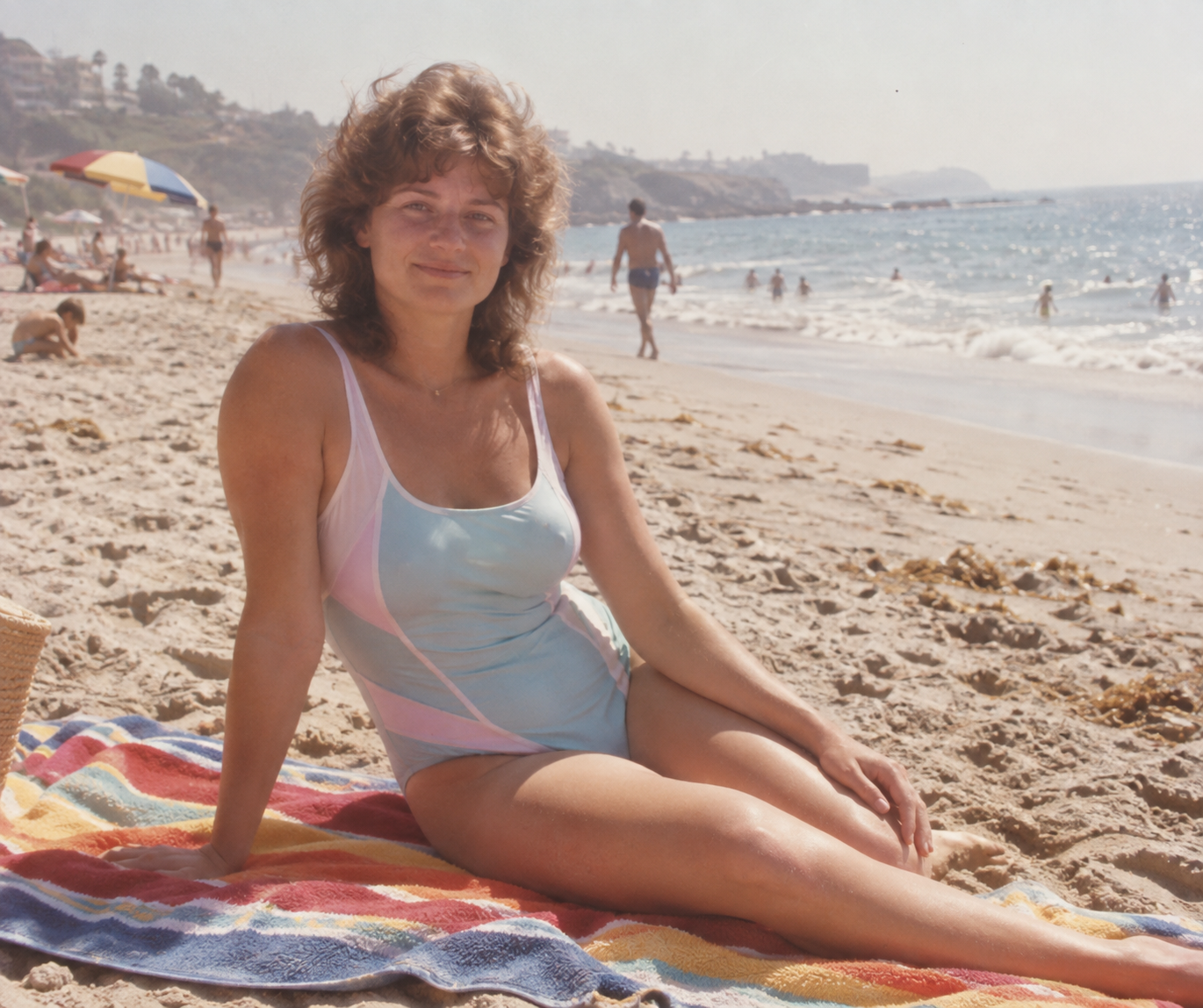 1985
A confident 1985 business portrait with broad tailoring and classic studio flash.
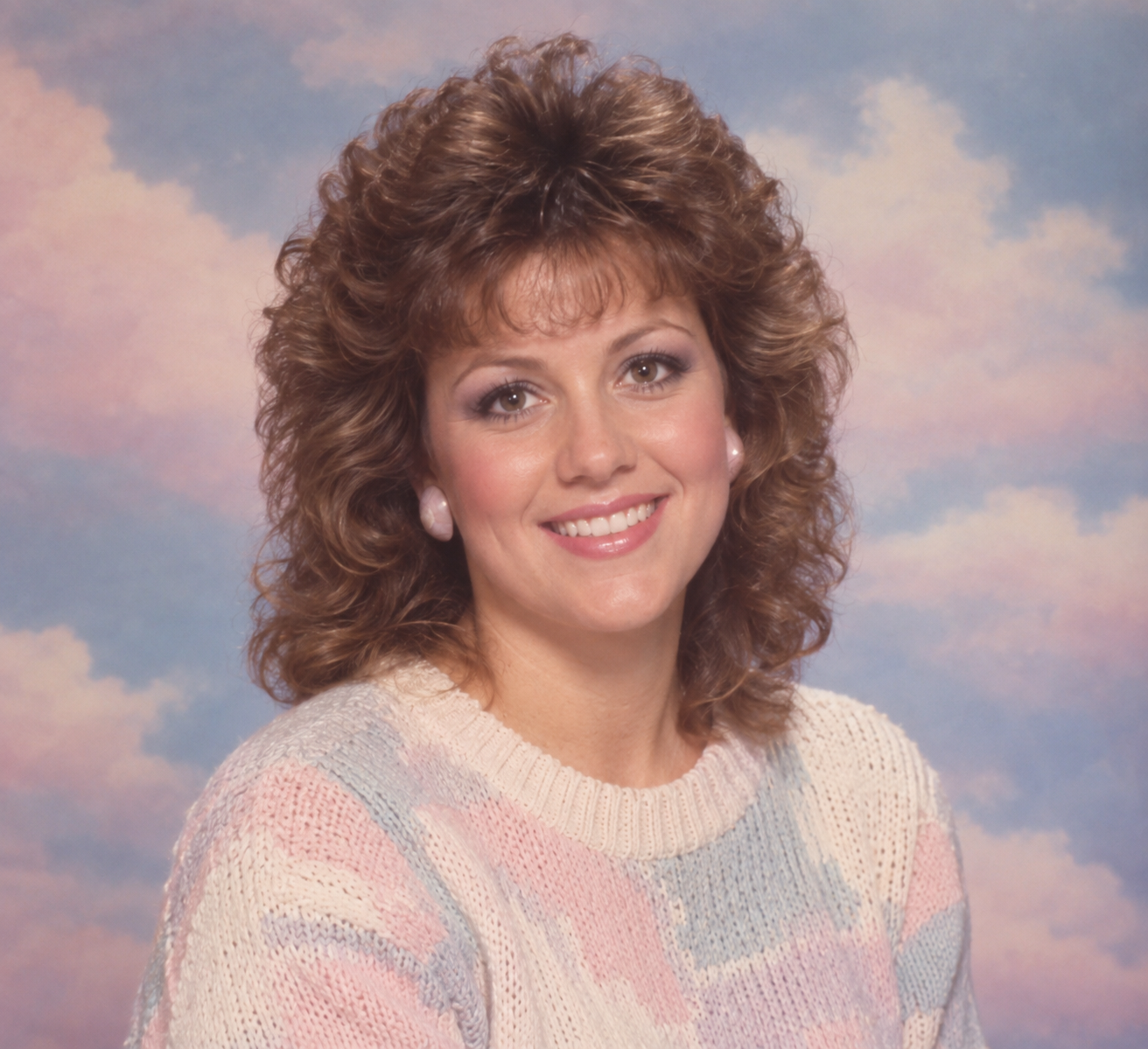 1982
A cheerful 1982 mall studio portrait with painted backdrop and even flash.
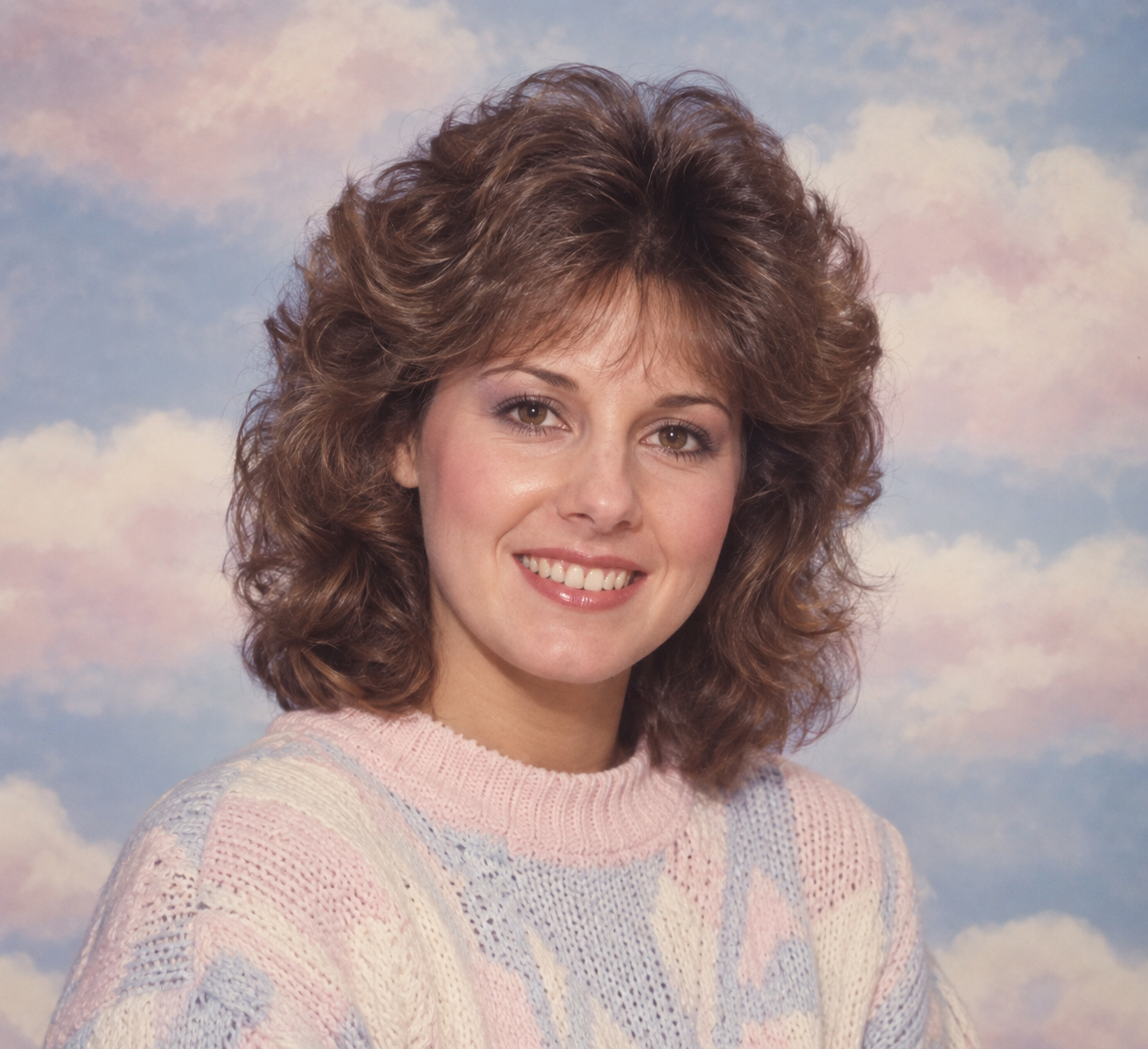 1988
A candid 1988 roadside travel snapshot with sun, denim, and consumer film texture.
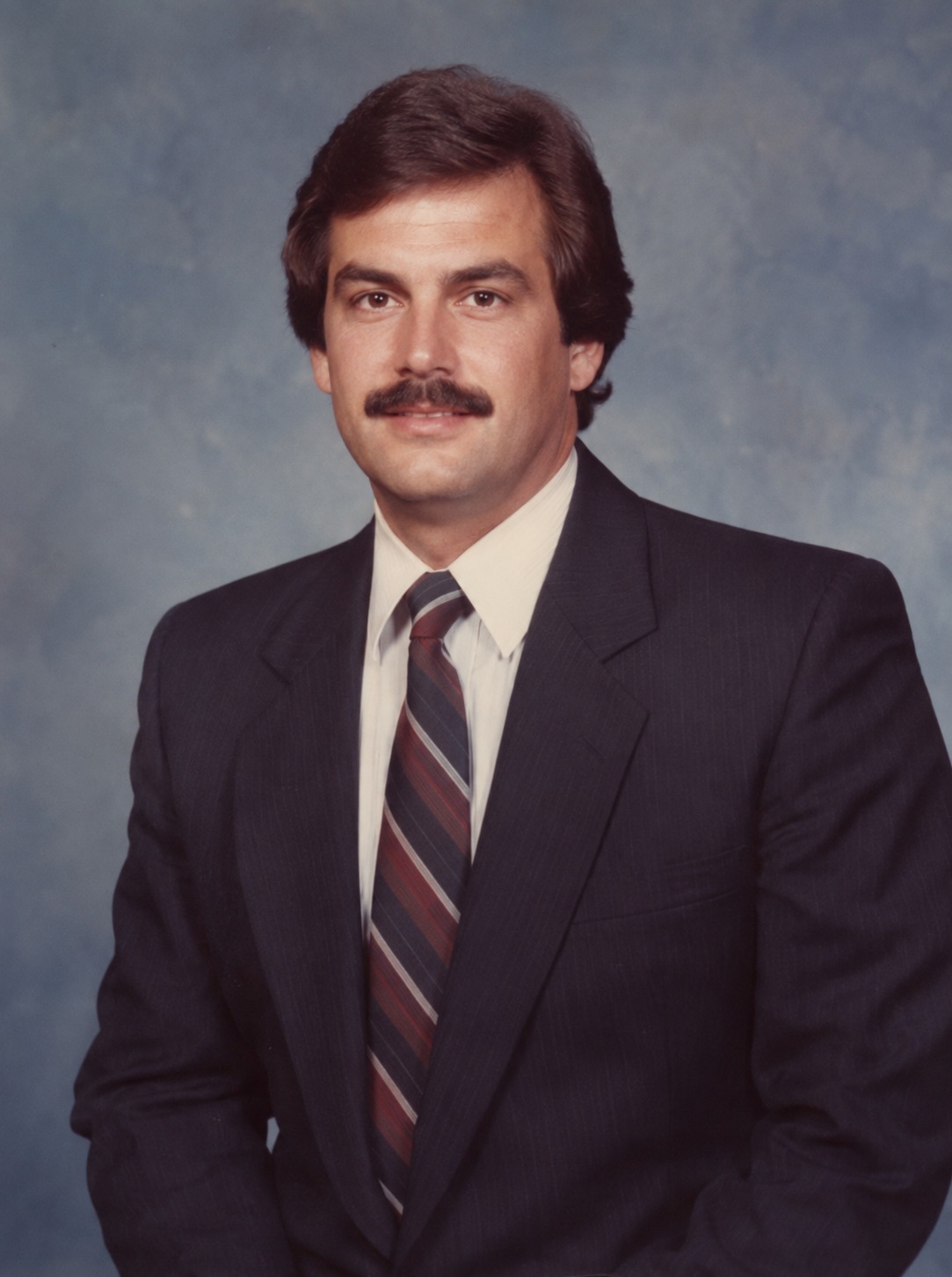 1981
A sunlit 1981 family vacation photograph with pastel swimwear and analog color.
An 80s portrait is defined by how a person was photographed, not only by a haircut. The useful details are the backdrop, light position, crop, clothing, and print behavior. A yearbook, mall studio, softbox, and power-suit portrait each has a different social purpose. Name that purpose so the model chooses the right posture and expression.
Use a neutral or mottled backdrop, one clear key light, and a crop that protects the face. Direct flash and even yearbook light create different shadow patterns; do not mix them unless the scene calls for it. Tailored jackets, knit sweaters, collared shirts, and understated hair are flexible period signals. Ask for natural skin texture and modest contrast.
Use the studio and yearbook entries when the face is the main subject and you need a dependable crop. Use the glamour or power-suit entries when wardrobe and posture carry more of the story. Keep the backdrop simple during the first generation. Once the face and shoulders are correct, add a prop or a stronger color direction. This staged workflow makes it easier to tell whether a change affected identity, lighting, or styling.
Begin with a well-lit reference and a head-and-shoulders or bust crop. Put the identity instruction before the styling. Pick one aspect ratio and one composition from the template specs. If the first result looks like a modern fashion campaign, remove cinematic bokeh and add scanned print, studio flash, or a simple school backdrop.
Common problems include plastic skin, a floating modern background, and a face that changes when styling is added. Use a focused correction: re-anchor the face, preserve the crop, or replace one modern object. Do not rewrite every detail at once; the cause of the improvement will be unclear.
Portrait work requires permission for a recognizable reference and care with age, context, and disclosure. Do not use a person's likeness to imply an endorsement, event, or identity they did not approve. A generated portrait can be beautiful while still being clearly labeled as generated.
For a useful comparison, save the exact prompt, reference description, model name, aspect ratio, and one sentence about the result. Check the year, subject count, identity, lighting direction, and crop before changing the color or mood. If something fails, copy the original output and apply one correction prompt. This record tells you whether a problem came from the reference, the composition, or a model-specific interpretation. It also makes the page’s guidance practical: you can return to the same category later and know which period details held up across attempts.
Studio lighting, era-accurate styling, and identity-preserving portraits. The prompts call out concrete camera, color, lighting, and styling choices so your output stays rooted in the 1980s.
Use a well-lit reference, preserve the identity sentence, and make one visual change at a time. Visit the 80s photo prompt home page for other directions.