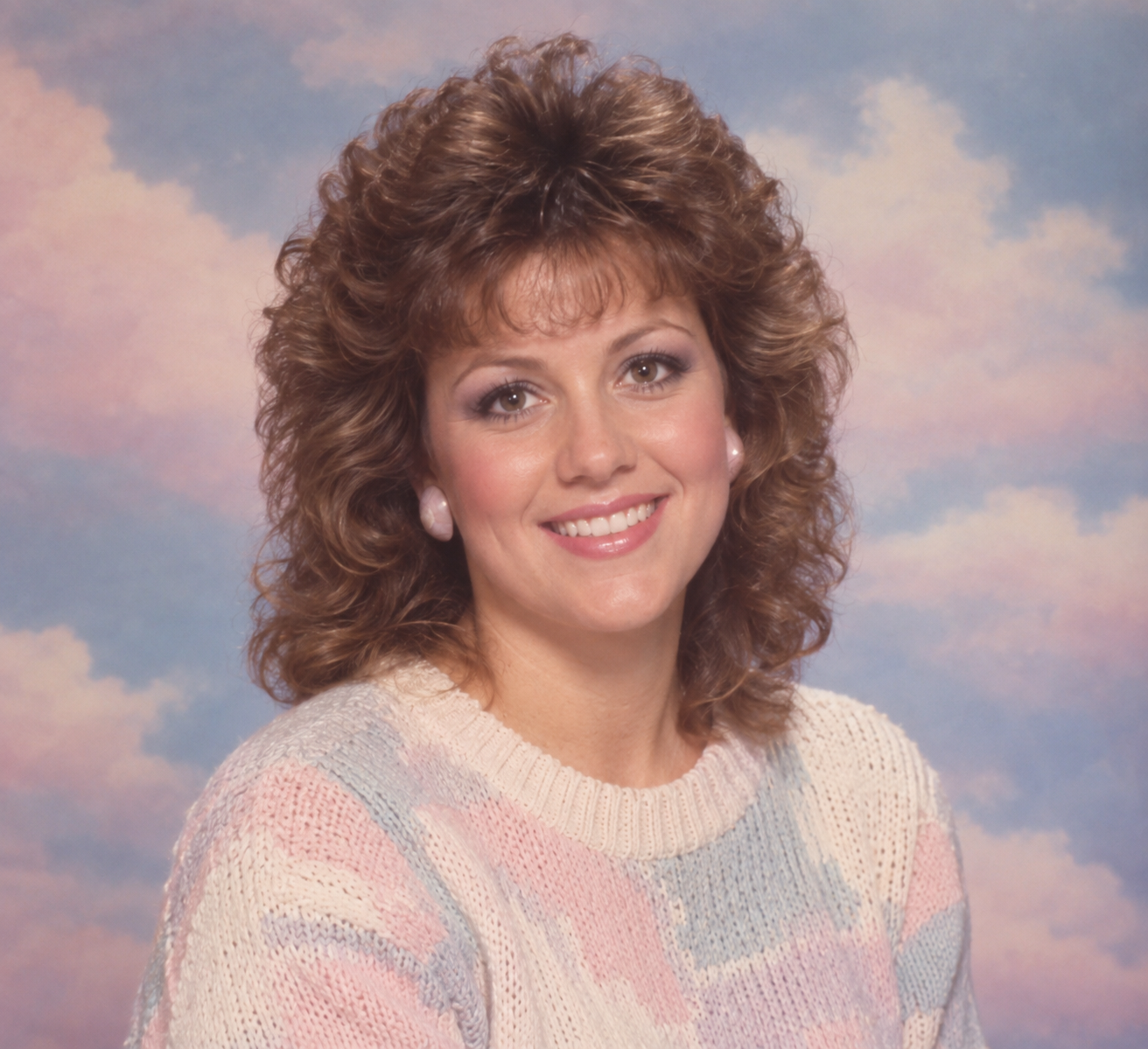
 1982
portraitstudioBaseline preview
1980s Mall Photo Studio
A cheerful 1982 mall studio portrait with painted backdrop and even flash.
NEON NOIR COLLECTION
Rainy streets, practical neon, and moody analog detective-film atmosphere. Copy any complete prompt below and tune the subject to your own reference image.
1982A cheerful 1982 mall studio portrait with painted backdrop and even flash.
 1988
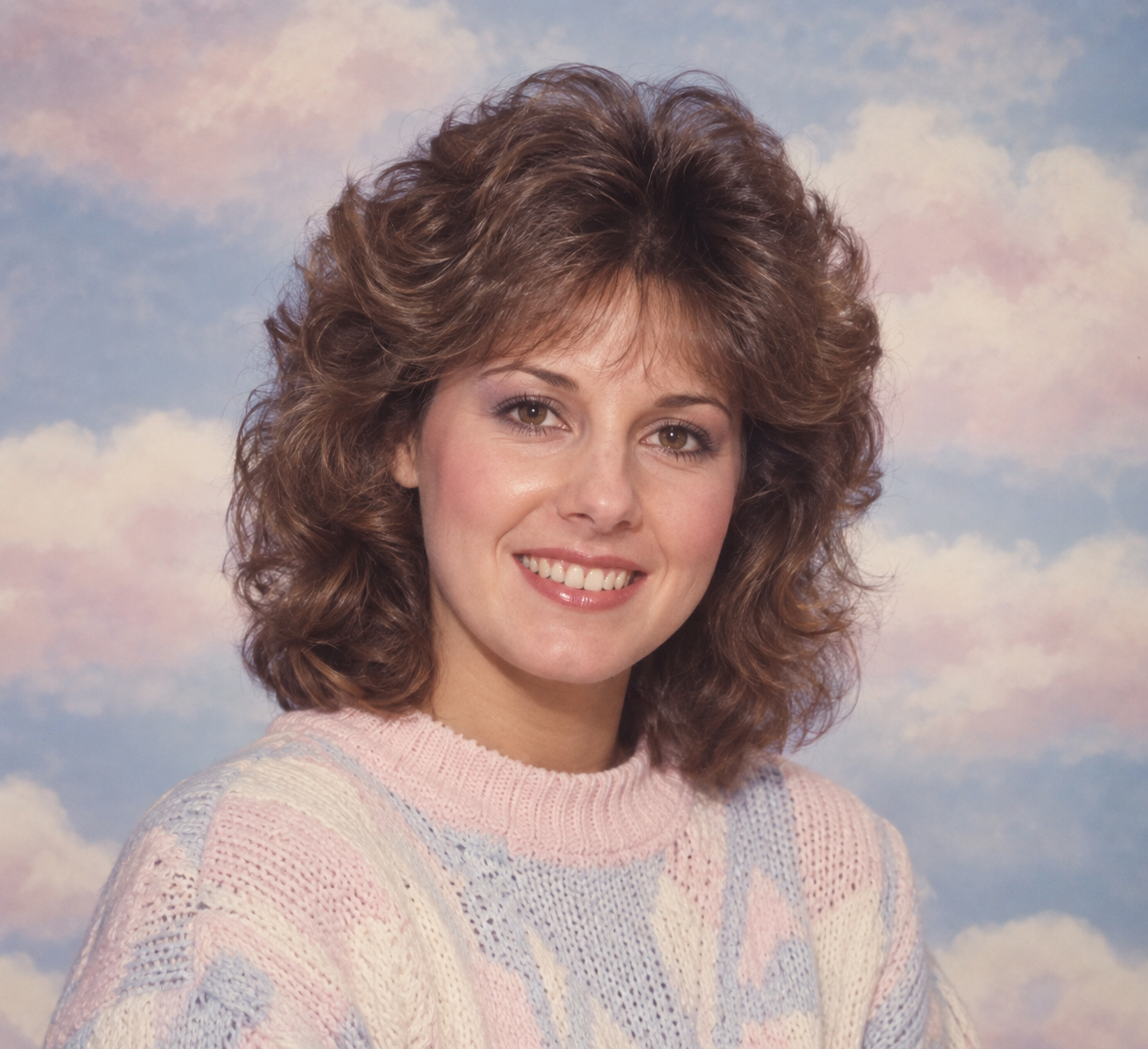
A candid 1988 roadside travel snapshot with sun, denim, and consumer film texture.
 1981
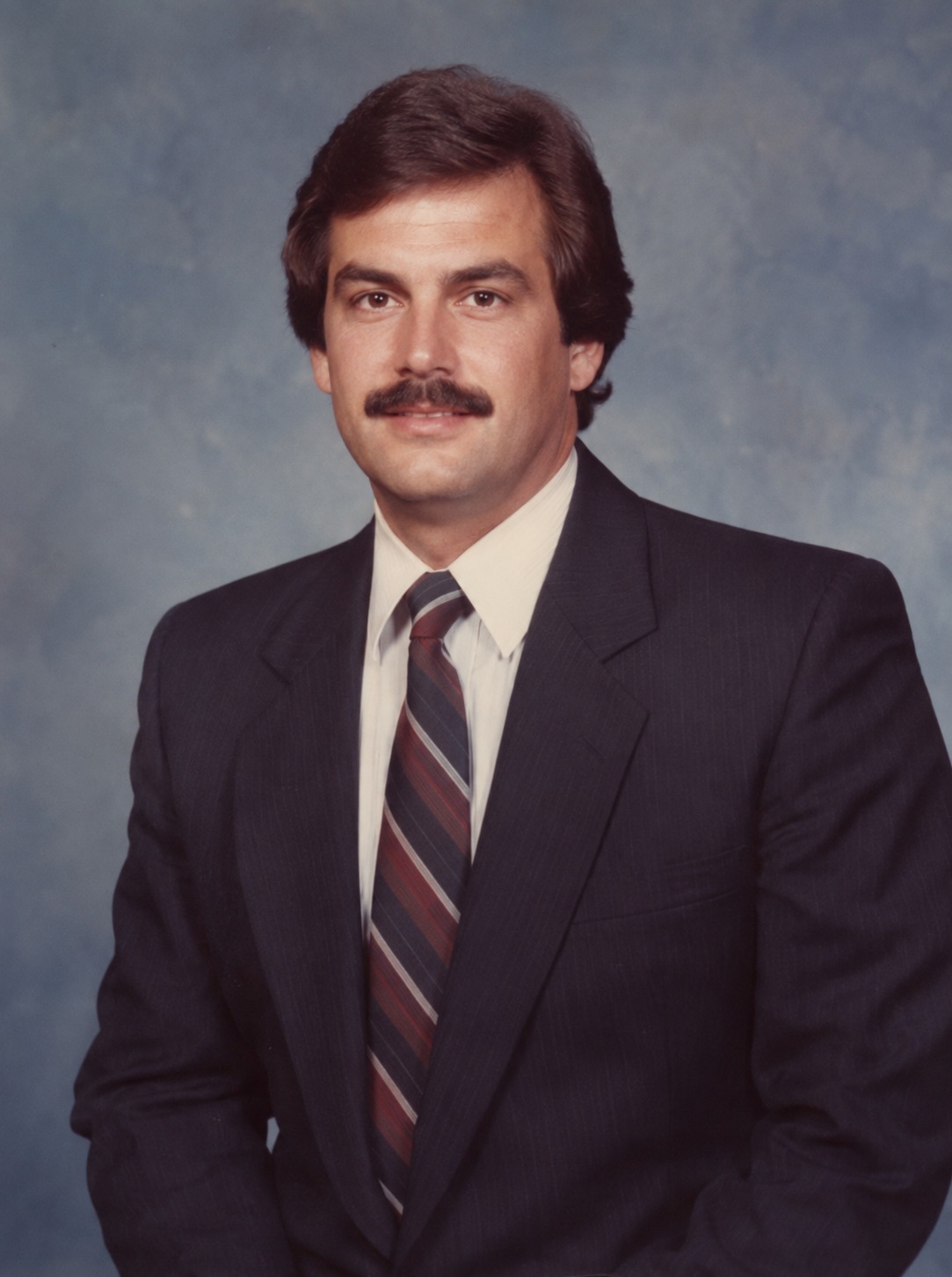
A sunlit 1981 family vacation photograph with pastel swimwear and analog color.
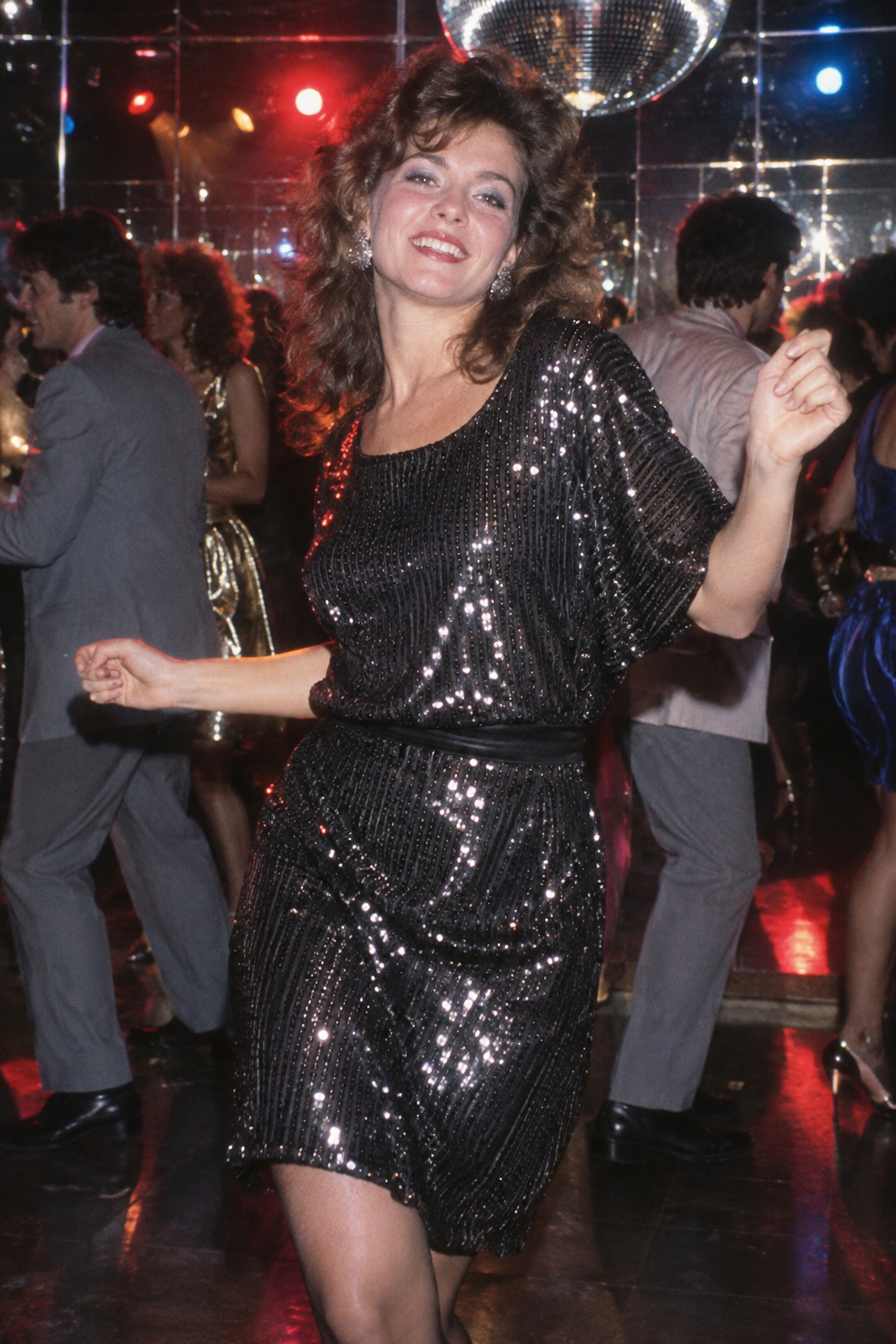 1984
A lively 1984 dance-floor portrait with colored club lights and on-camera flash.
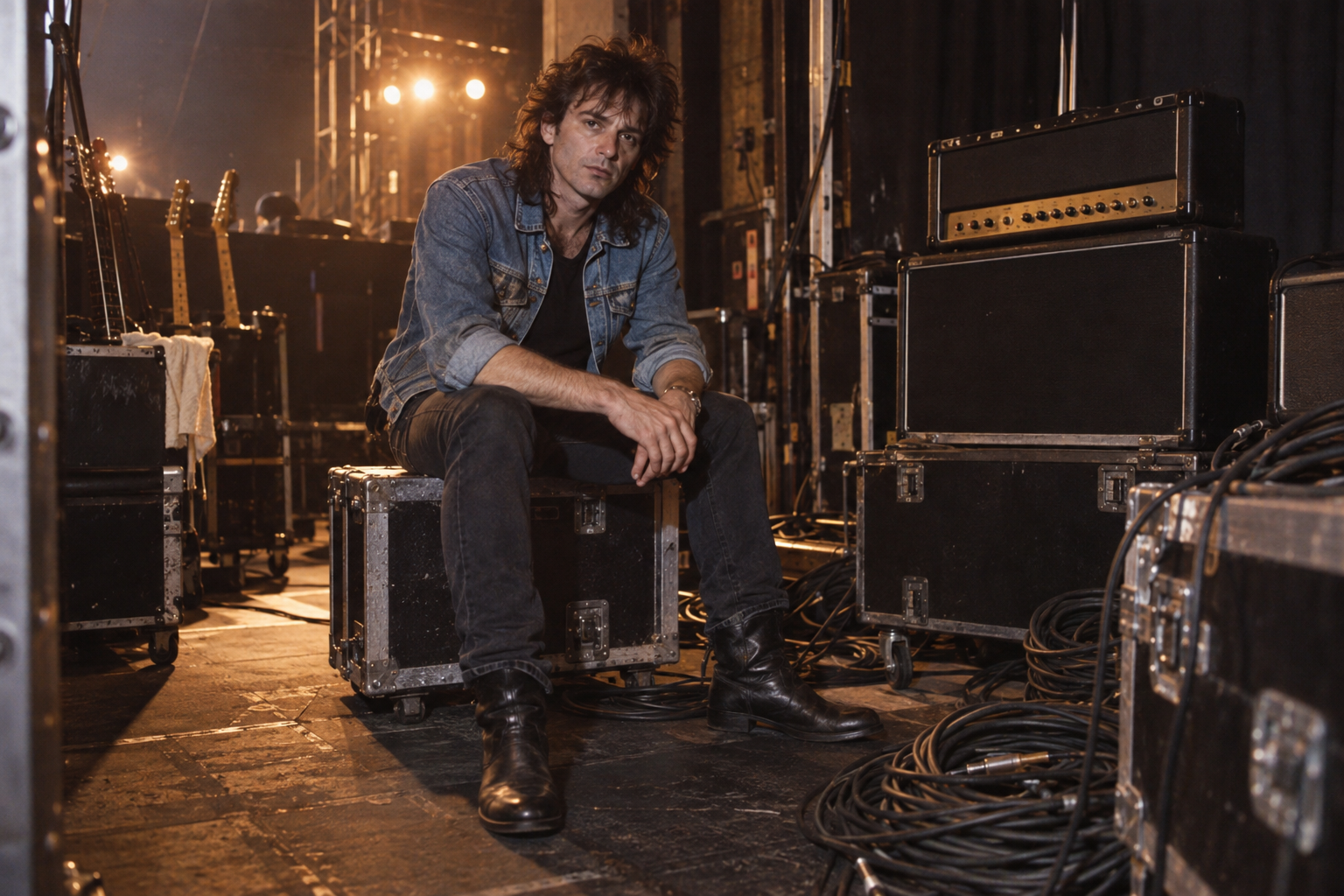 1986
A documentary backstage portrait with denim, stage cables, and warm tungsten light.
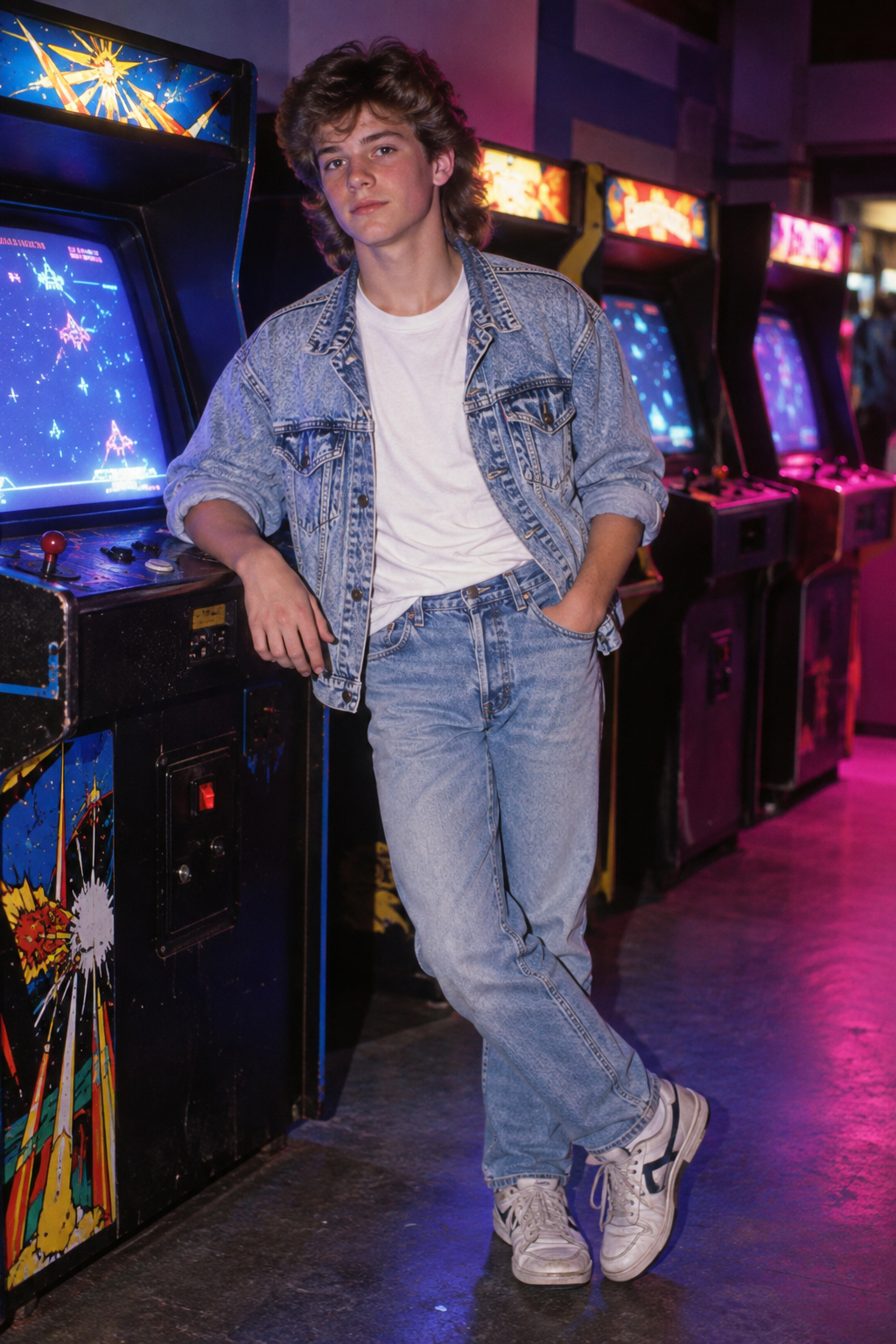 1987
A colorful 1987 arcade snapshot with CRT glow and direct flash.
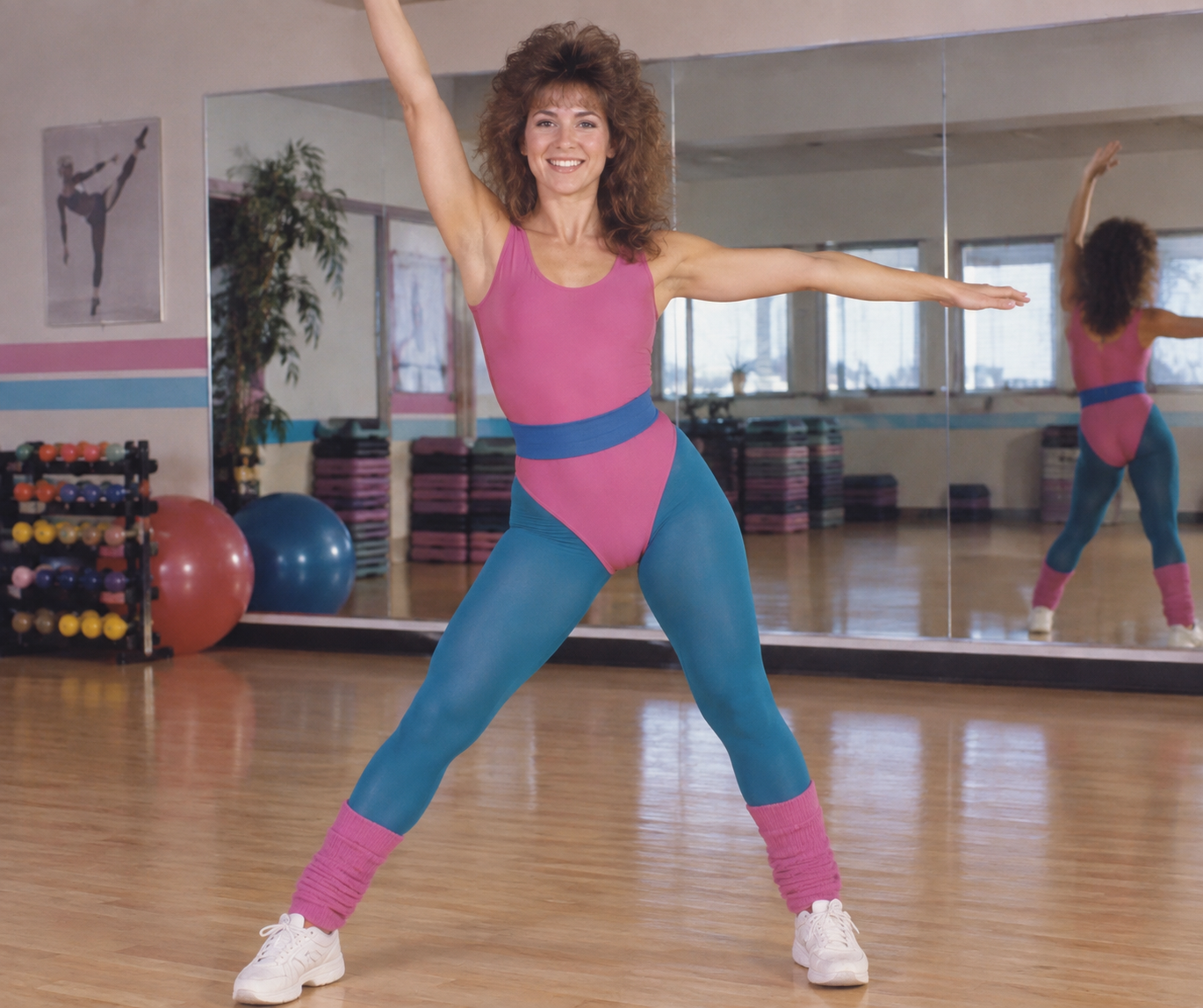 1985
An energetic 1985 aerobics portrait with colorful activewear and bright studio light.
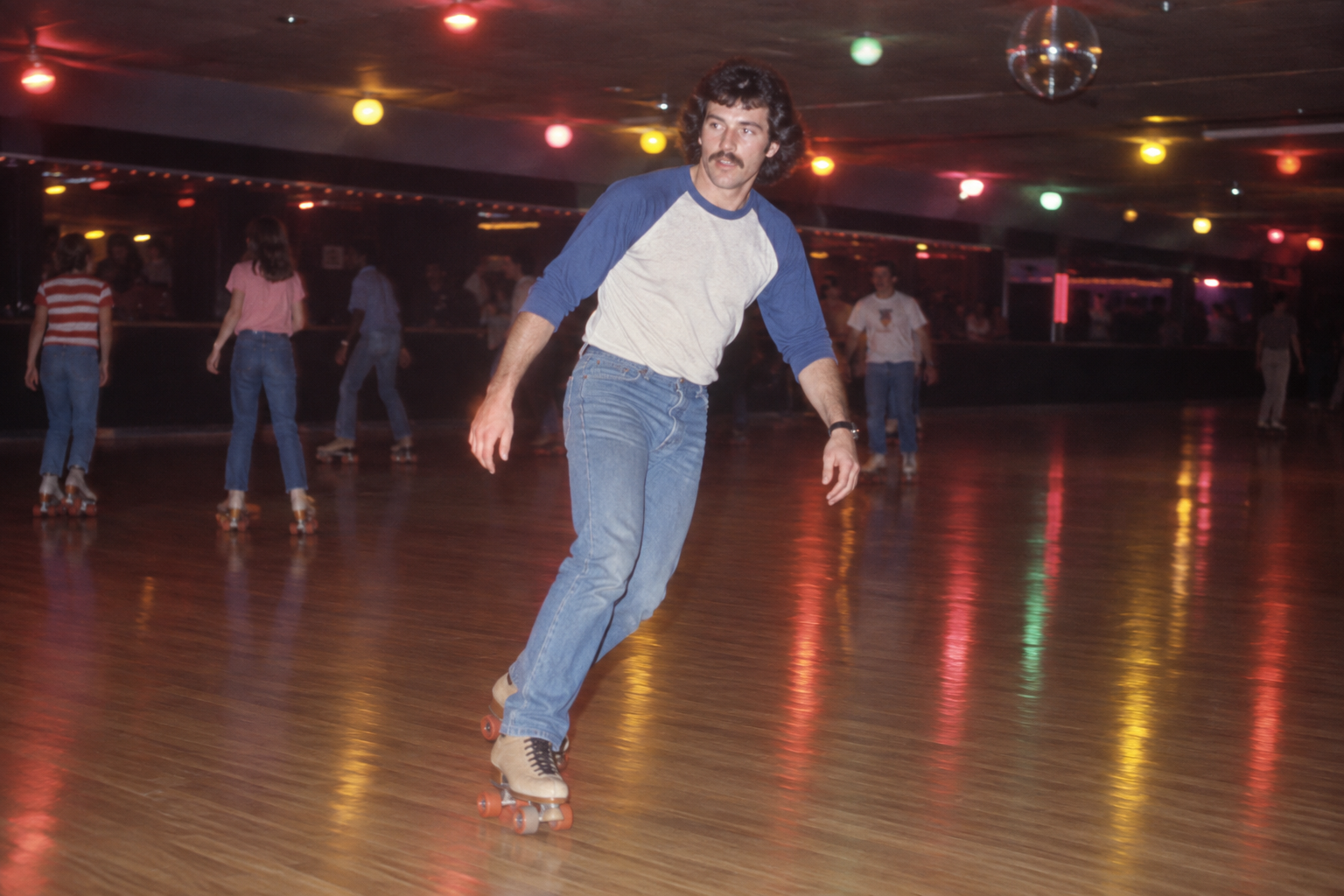 1983
A candid 1983 roller-rink photograph with polished floor reflections and flash.
Neon noir combines a human-scale street with controlled darkness. A wet sidewalk, diner window, pay phone, or motel entrance gives the scene a reason for its light. Describe the subject's position and the practical source before adding magenta or cyan. The result should feel like a photographed night, not an abstract cyberpunk city.
Use one dominant sign color, a small amount of reflected light, and a neutral fill on the face. 35mm grain, halation, and slight motion softness can suggest an analog lens. Keep signs generic and avoid readable logos. A medium or full-body crop lets the light and pavement establish depth.
Choose a card by the amount of environment you need. A diner or motel scene gives the face a practical light and a small story; a wet-street frame gives more room for reflections and silhouette. Begin with one sign or window, then add rain or motion only if the subject remains readable. If the result becomes a crime-poster cliché, replace the mood words with a concrete location and camera behavior.
Choose a simple action, such as waiting outside a diner or standing beside a car. Preserve identity and clothing first; add rain or a stronger reflection in a second pass. If the shadows swallow the subject, specify a soft key or flash and reduce the color intensity.
Models often add futuristic towers, modern phones, or a wall of unreadable text. Anchor the year and the ordinary location. Heavy contrast can also make skin look artificial; request natural pores and restrained retouching.
A noir frame can imply crime or danger, so do not attach a generated scene to a real person's name or claim it documents an event. Use consented references, generic locations, and clear AI disclosure when publishing.
For a useful comparison, save the exact prompt, reference description, model name, aspect ratio, and one sentence about the result. Check the year, subject count, identity, lighting direction, and crop before changing the color or mood. If something fails, copy the original output and apply one correction prompt. This record tells you whether a problem came from the reference, the composition, or a model-specific interpretation. It also makes the page’s guidance practical: you can return to the same category later and know which period details held up across attempts.
Rainy streets, practical neon, and moody analog detective-film atmosphere. The prompts call out concrete camera, color, lighting, and styling choices so your output stays rooted in the 1980s.
Use a well-lit reference, preserve the identity sentence, and make one visual change at a time. Visit the 80s photo prompt home page for other directions.