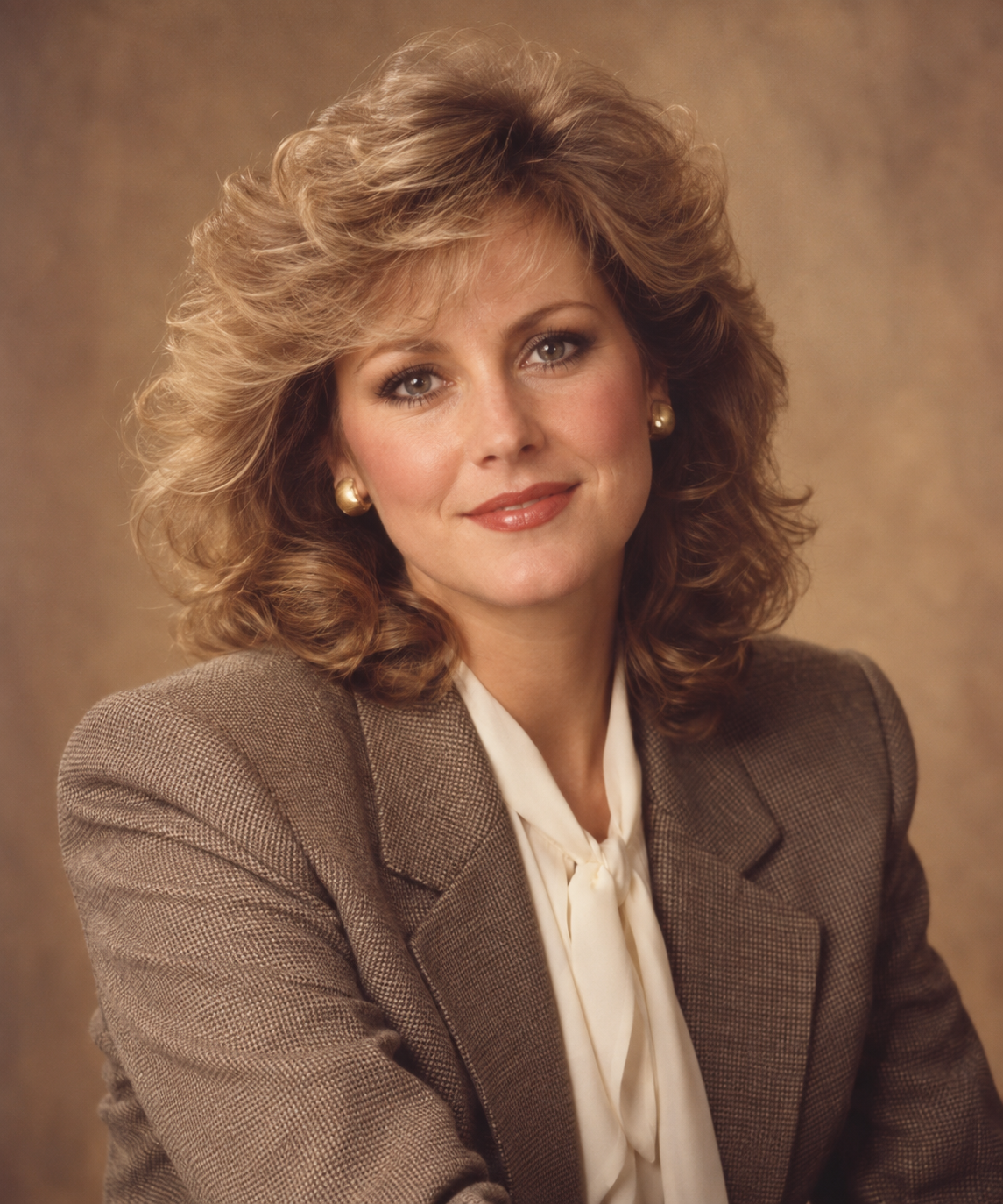
 1983
fashionstudioBaseline preview
1980s Glamour Magazine Portrait
A glossy 1983 editorial portrait with soft beauty light and understated period styling.
RETRO FILM COLLECTION
Consumer 35mm grain, flash falloff, and believable family snapshots. Copy any complete prompt below and tune the subject to your own reference image.
1983A glossy 1983 editorial portrait with soft beauty light and understated period styling.
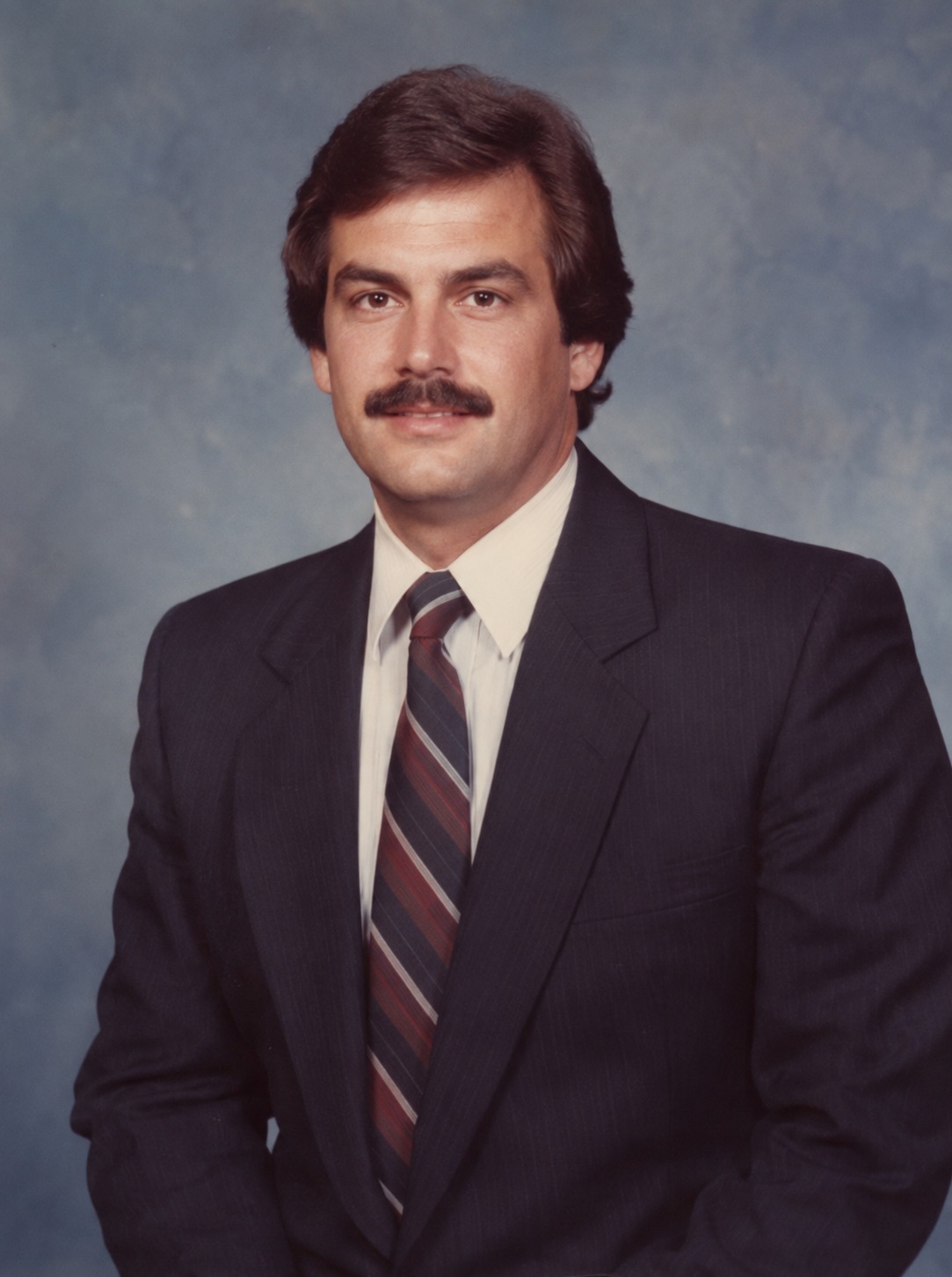
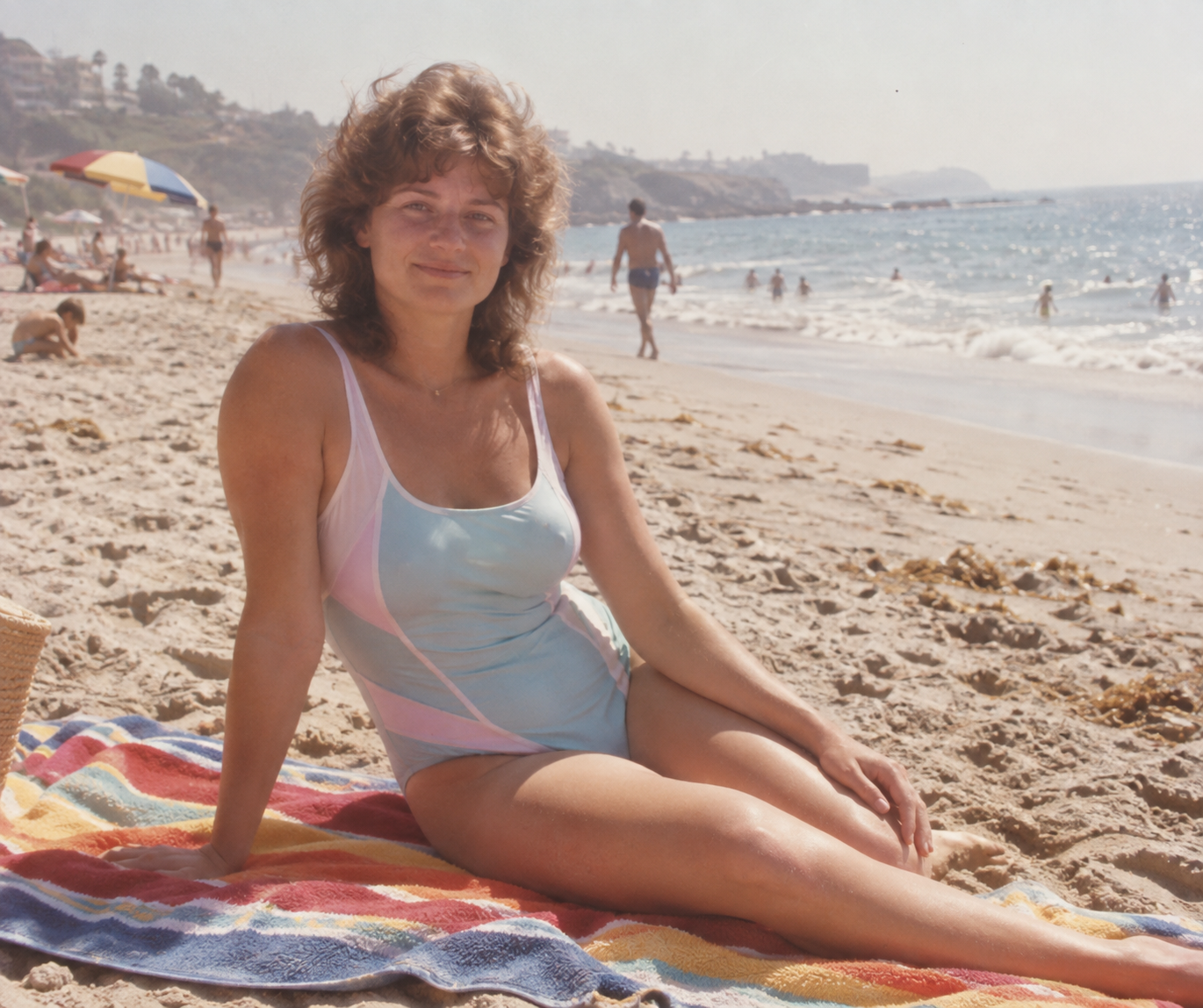 1985
A confident 1985 business portrait with broad tailoring and classic studio flash.
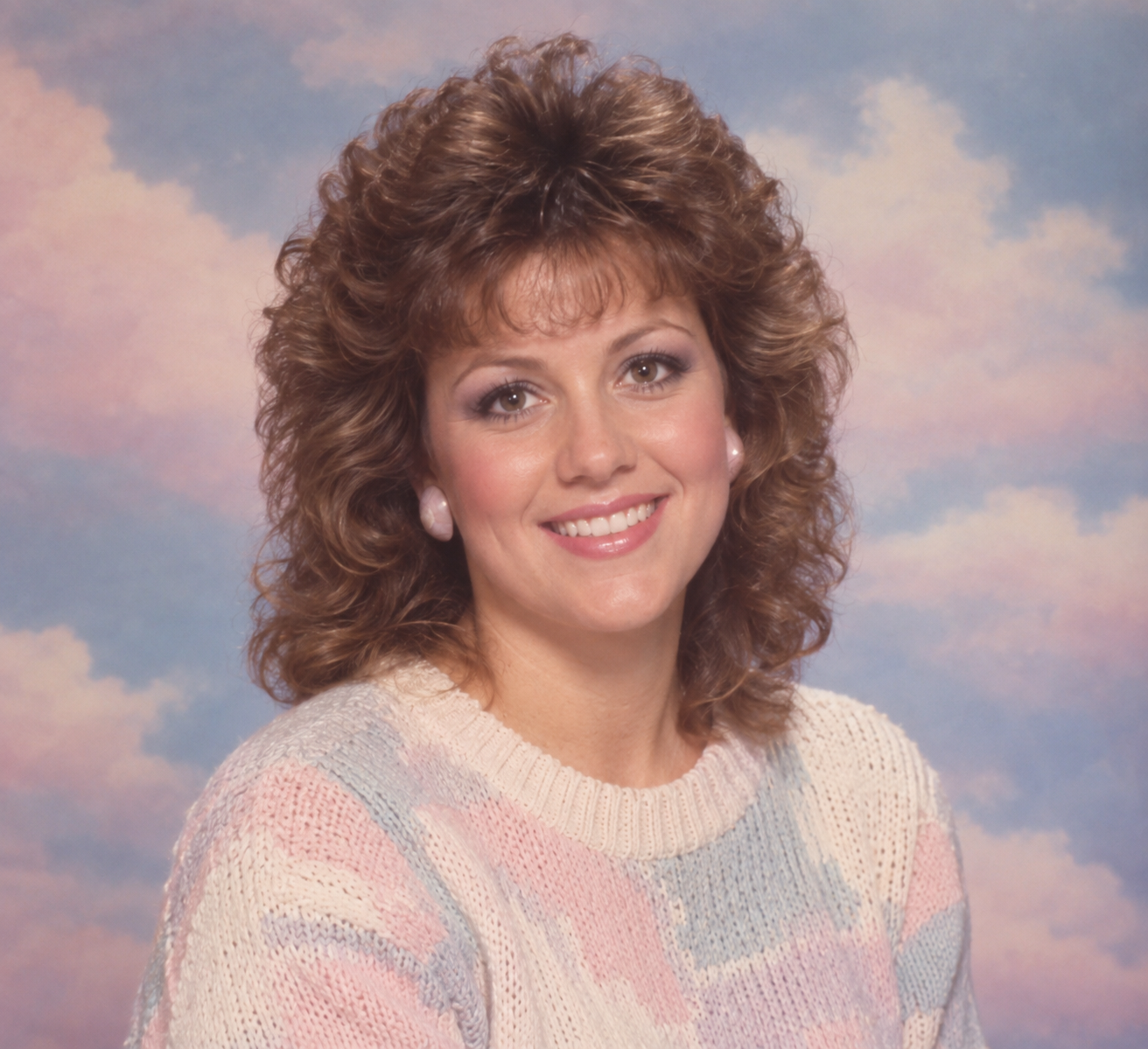 1982
A cheerful 1982 mall studio portrait with painted backdrop and even flash.
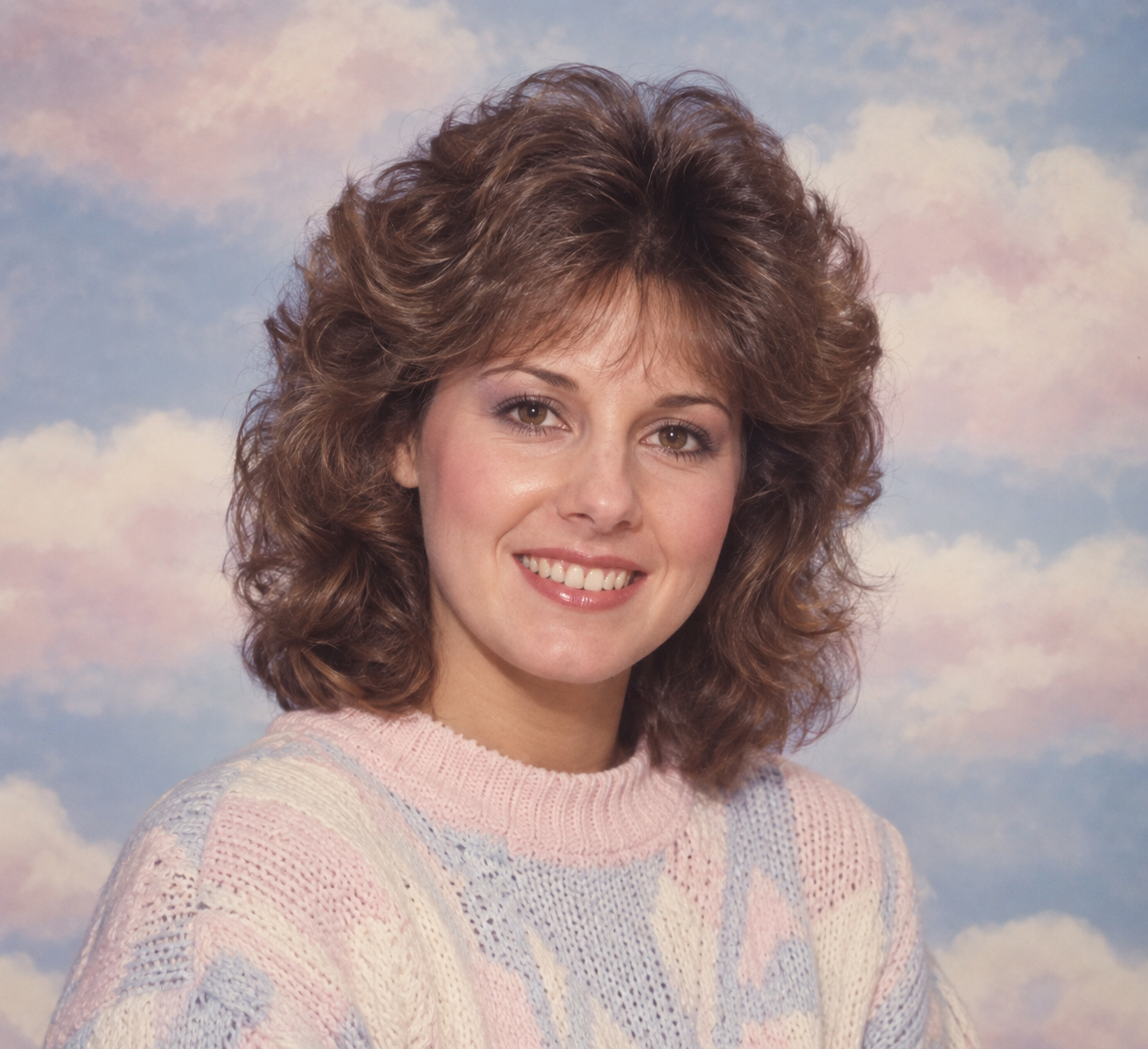 1988
A candid 1988 roadside travel snapshot with sun, denim, and consumer film texture.
 1981
A sunlit 1981 family vacation photograph with pastel swimwear and analog color.
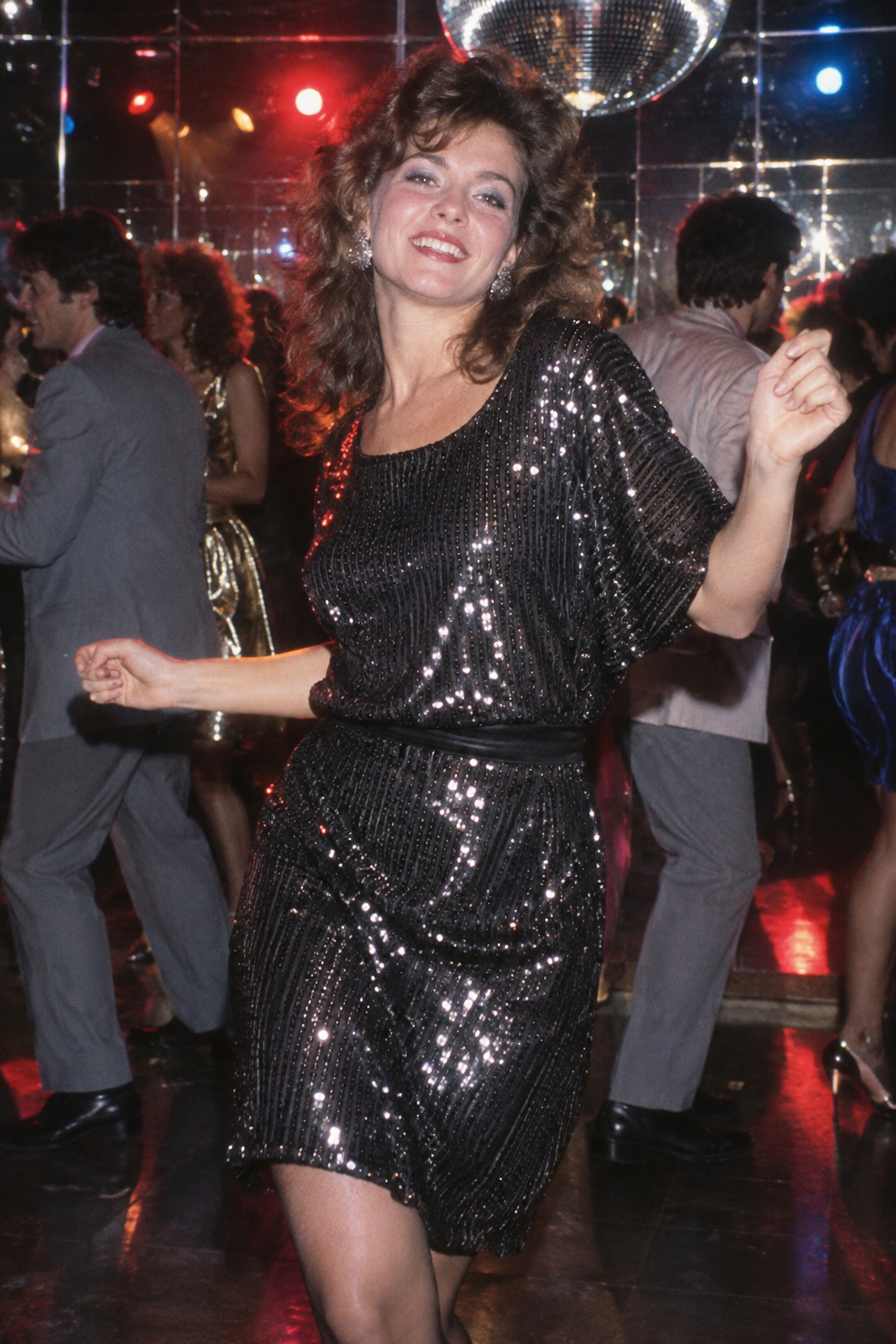 1984
A lively 1984 dance-floor portrait with colored club lights and on-camera flash.
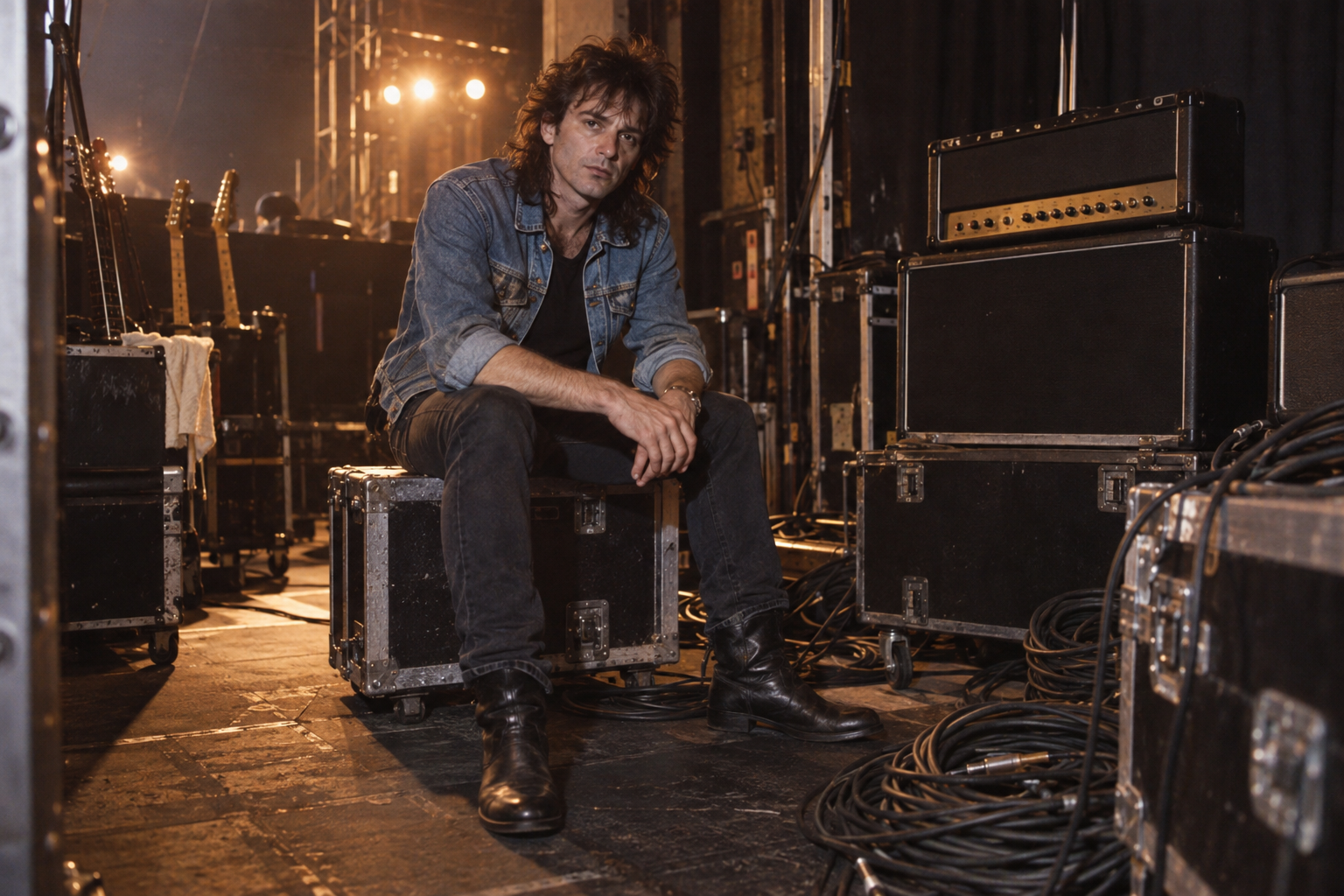 1986
A documentary backstage portrait with denim, stage cables, and warm tungsten light.
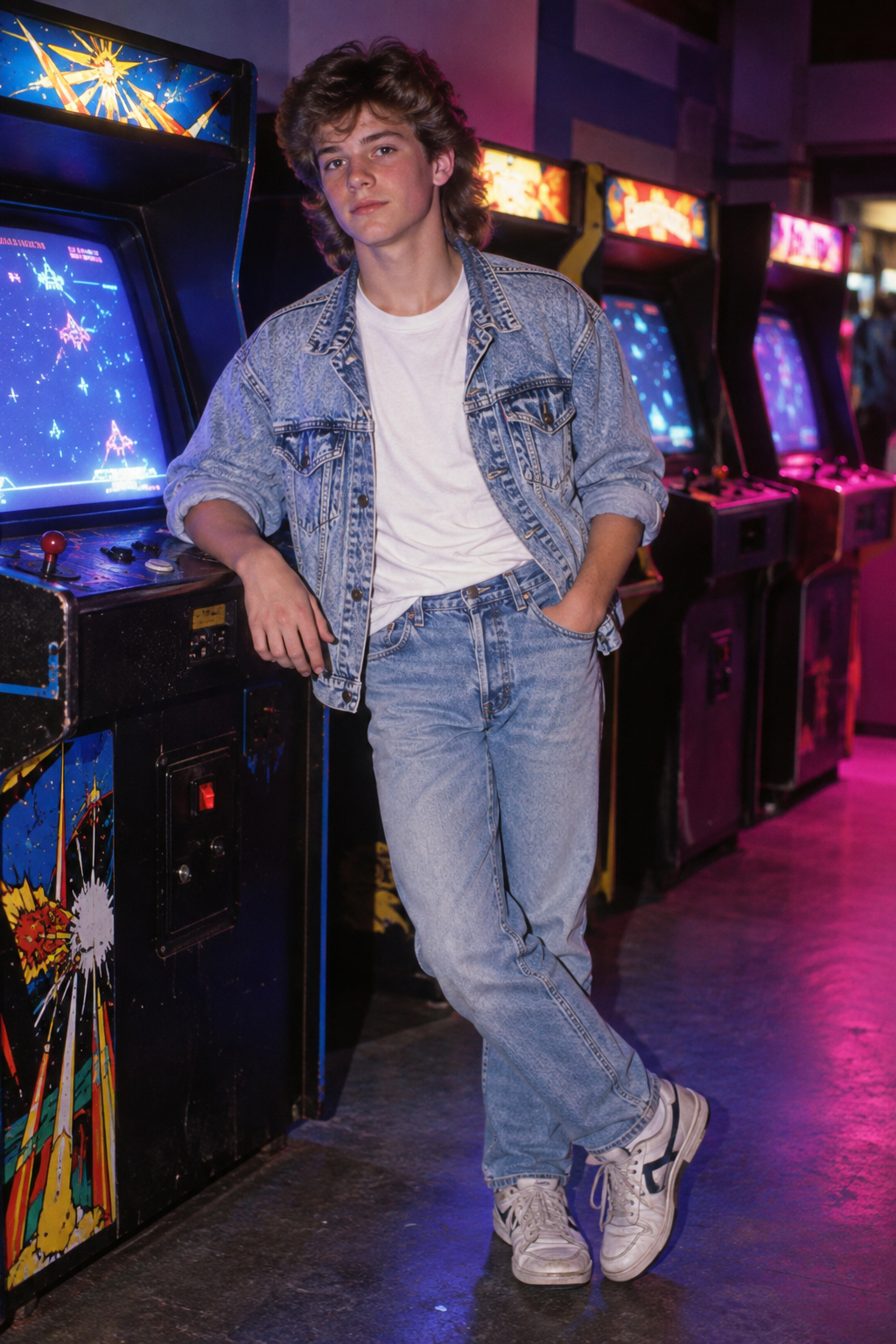 1987
A colorful 1987 arcade snapshot with CRT glow and direct flash.
Retro film prompts are about ordinary moments: a family room, a beach towel, a roadside stop, or a friend's flash photograph. Their strength comes from imperfect but specific camera behavior. State what the photographer could see and why the frame was made, then add the film and light details that explain its texture.
Consumer 35mm color film, direct flash, gentle warm cast, fine grain, and slight optical softness are useful building blocks. Add one or two period objects such as a CRT television, motel sign, patterned sofa, or towel. Keep the composition relaxed and leave enough headroom for people and hands. Avoid heavy grain that hides faces.
Choose an entry by the kind of memory you want to recreate: a quiet room, a sunny vacation, a roadside pause, or a casual celebration. Keep the ordinary imperfection that belongs to the moment. A small amount of blur, flash falloff, or print softness is more convincing than a heavy filter. If the frame starts to look like a polished advertisement, simplify the pose and return to the consumer-camera wording in the original prompt.
Use a clear reference, copy the full prompt, and start with the listed composition. Check the number of people, the year, and modern objects before judging the color. If a frame looks too polished, ask for scanned print texture or flash falloff. If it looks staged, simplify the pose and add a small environmental action.
A model may turn “retro film” into sepia, VHS distortion, or an anonymous Instagram preset. Name color film and the physical print qualities you want. Another failure is a collage of unrelated props; keep the scene to details a real photographer could capture in one frame.
A family snapshot can include private people and children. Use authorized references, avoid sharing identifying details, and disclose the generated nature of a public result. The prompt library offers a creative method, not permission to publish another person's image.
For a useful comparison, save the exact prompt, reference description, model name, aspect ratio, and one sentence about the result. Check the year, subject count, identity, lighting direction, and crop before changing the color or mood. If something fails, copy the original output and apply one correction prompt. This record tells you whether a problem came from the reference, the composition, or a model-specific interpretation. It also makes the page’s guidance practical: you can return to the same category later and know which period details held up across attempts.
Consumer 35mm grain, flash falloff, and believable family snapshots. The prompts call out concrete camera, color, lighting, and styling choices so your output stays rooted in the 1980s.
Use a well-lit reference, preserve the identity sentence, and make one visual change at a time. Visit the 80s photo prompt home page for other directions.