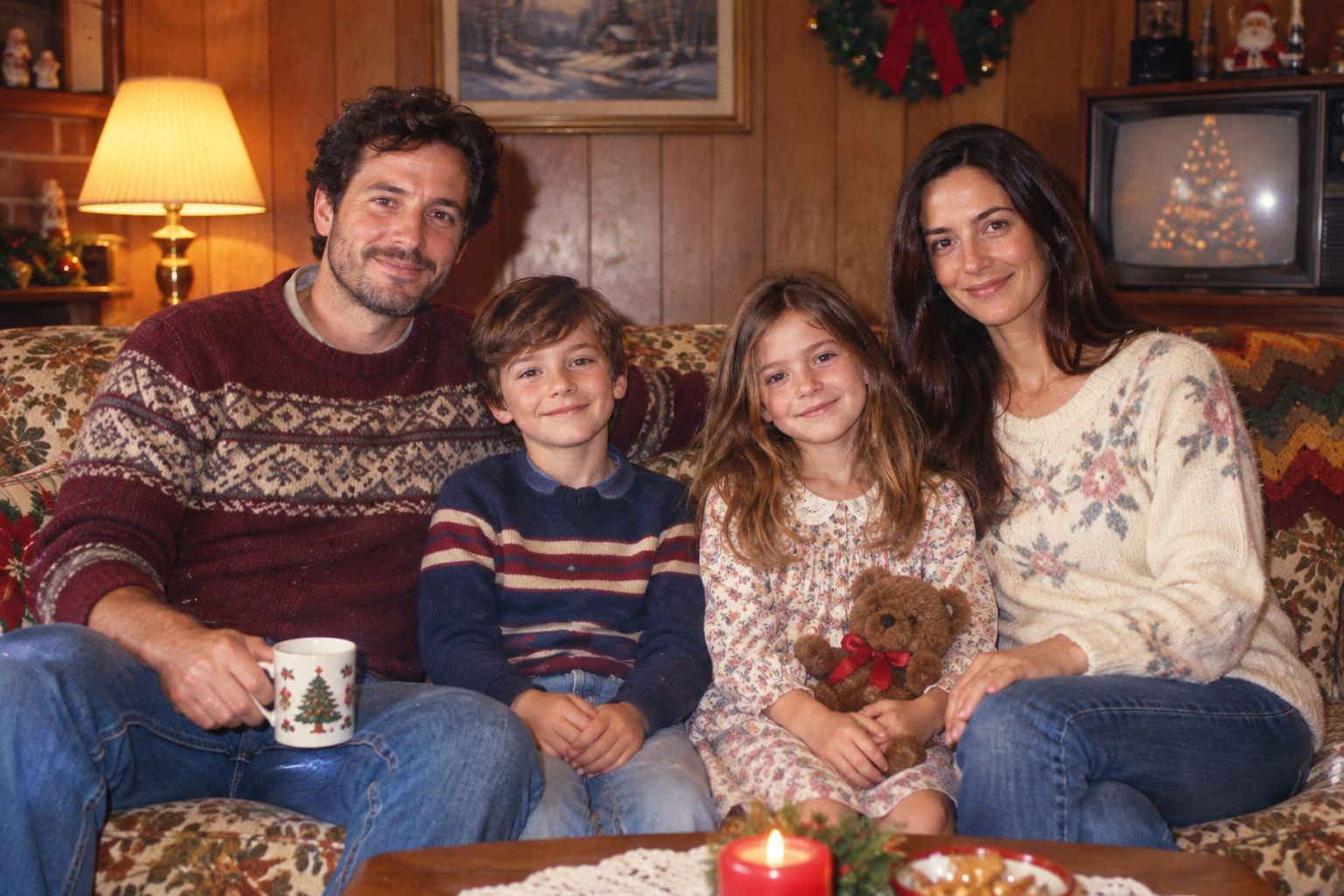
 1986
familyeverydayBaseline preview
1980s Family Living Room Snapshot
A candid family-of-four living-room photograph with period furniture, on-camera flash, and natural documentary energy.
SYNTHWAVE COLLECTION
Magenta sunsets, neon grids, and cinematic night-drive energy. Copy any complete prompt below and tune the subject to your own reference image.
1986A candid family-of-four living-room photograph with period furniture, on-camera flash, and natural documentary energy.
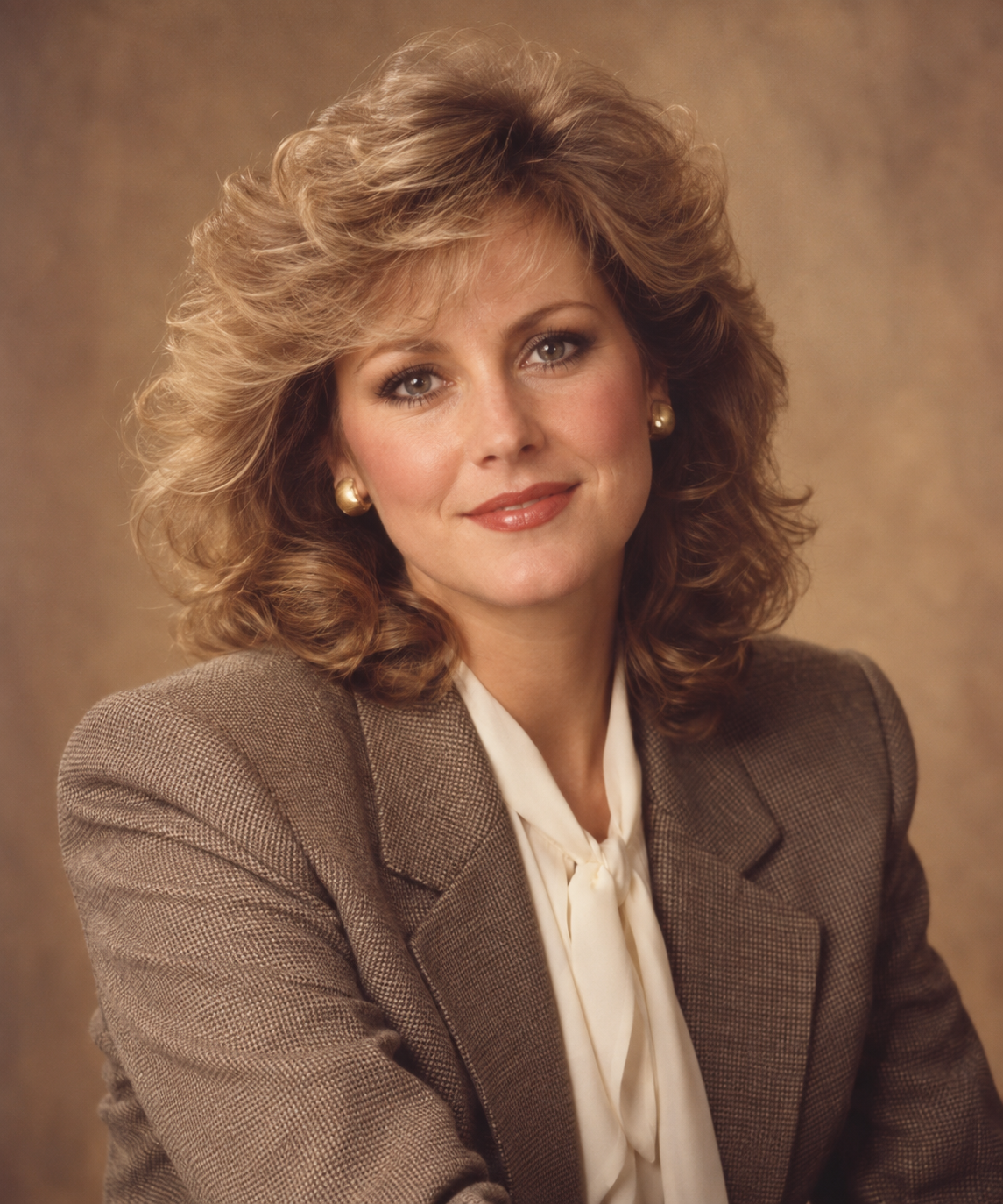 1983
A glossy 1983 editorial portrait with soft beauty light and understated period styling.
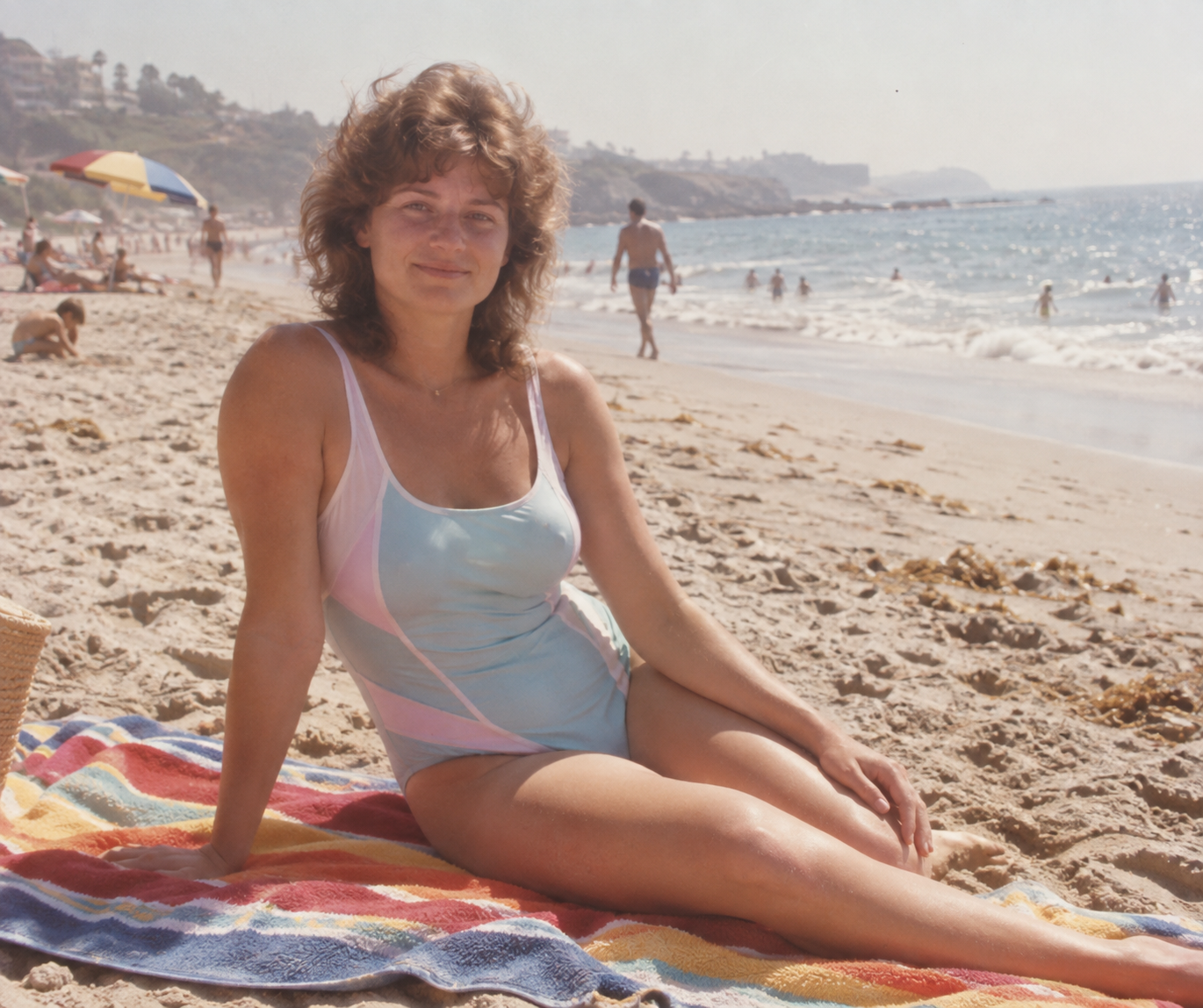 1985
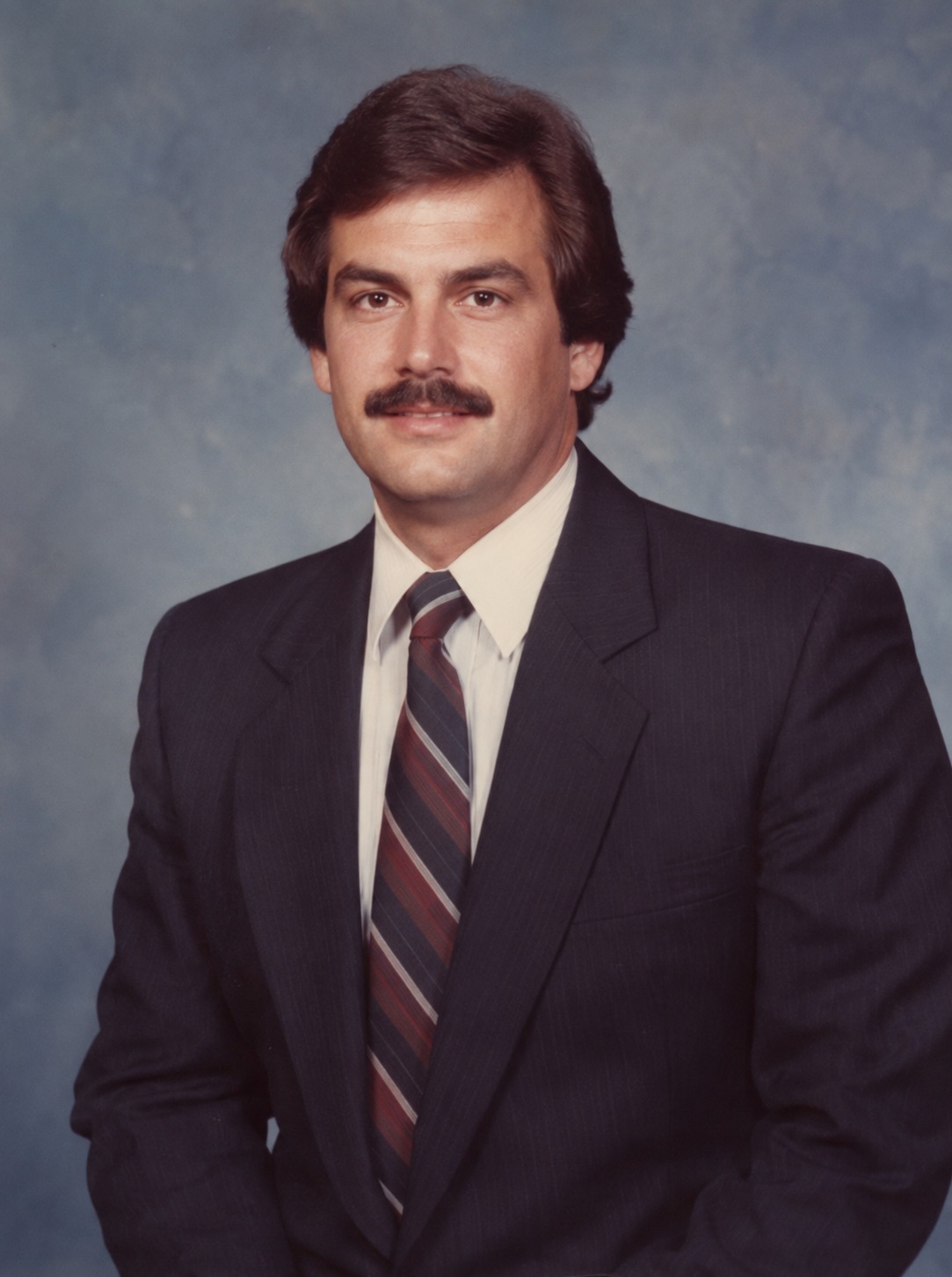
A confident 1985 business portrait with broad tailoring and classic studio flash.
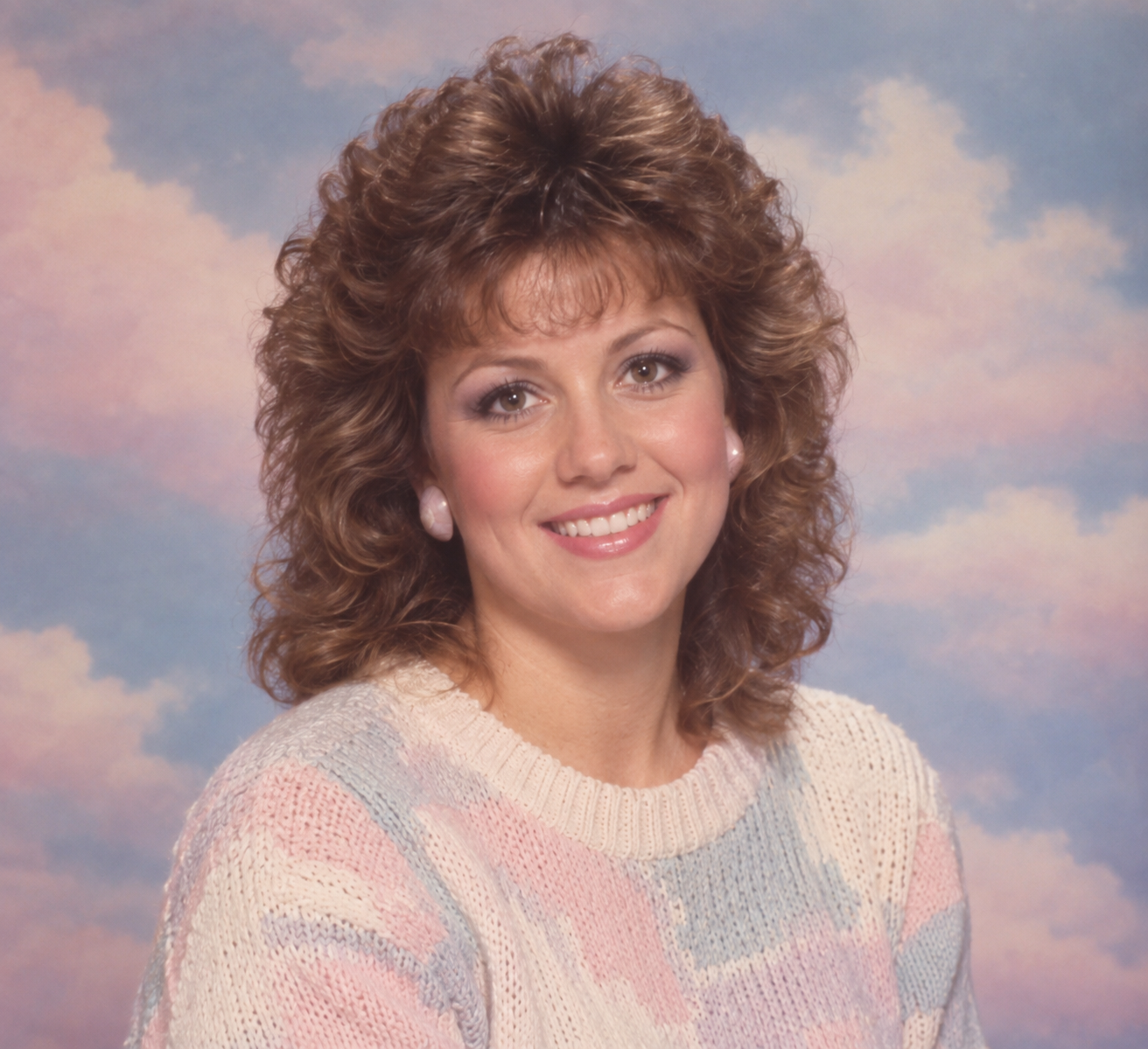 1982
A cheerful 1982 mall studio portrait with painted backdrop and even flash.
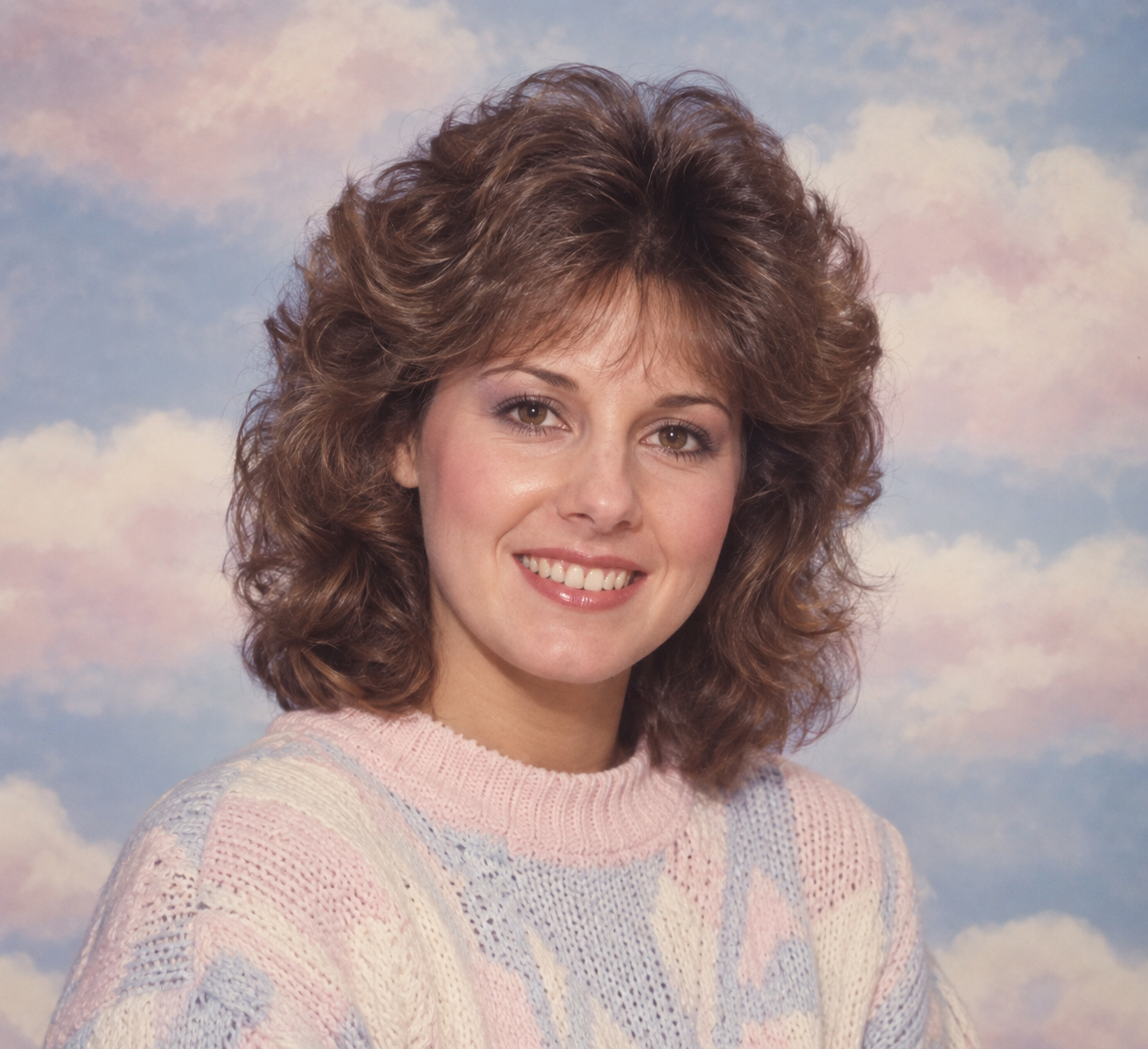 1988
A candid 1988 roadside travel snapshot with sun, denim, and consumer film texture.
 1981
A sunlit 1981 family vacation photograph with pastel swimwear and analog color.
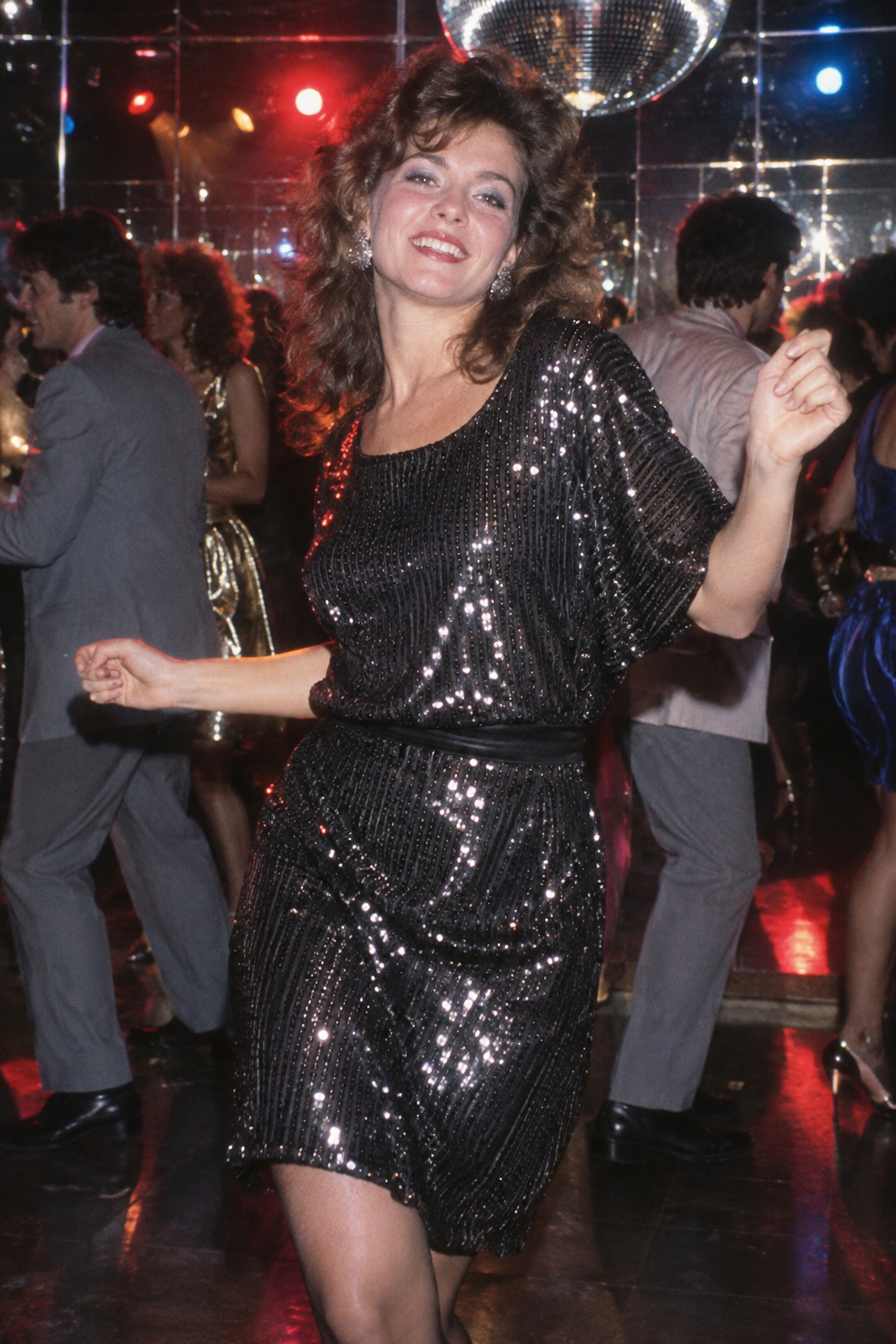 1984
A lively 1984 dance-floor portrait with colored club lights and on-camera flash.
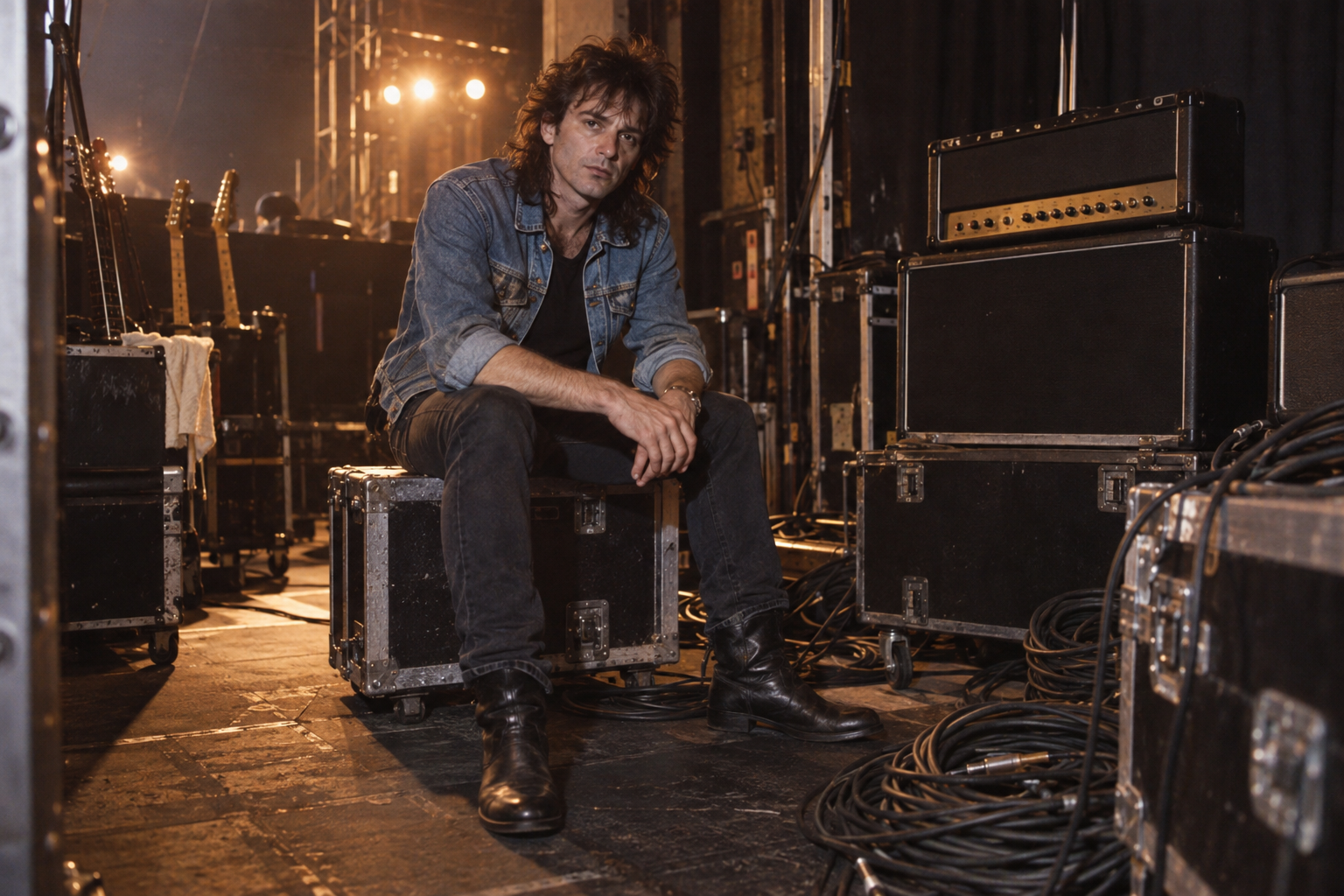 1986
A documentary backstage portrait with denim, stage cables, and warm tungsten light.
Synthwave is strongest when the night scene has a believable reason for its color: a roadside diner, a parked car, a dance floor, or a wet street under practical neon. Start with the subject and the location, then describe magenta, cyan, or amber light as something that reaches the face and reflects on a surface. This produces a cinematic 1980s photograph rather than a floating gradient.
Pair one colored source with a neutral fill so skin remains readable. Mention wet pavement, windshield reflections, or a diner window only when the location supports them. Consumer 35mm grain, slight halation, and direct flash can keep a night frame grounded. Avoid asking for every color at maximum intensity; contrast is more convincing when some areas stay dark.
Pick a card based on the light source you can actually describe. A diner window, motel sign, or car reflection gives the model a physical reason for color. For a portrait, start with a medium crop so the face remains readable; for a travel frame, leave enough space for the road or vehicle. Change the color balance only after the location and subject are stable. This keeps the result nocturnal without pushing it into a futuristic scene.
Choose a half-body or environmental crop so the light has room to travel through the frame. Keep the car, sign, or street generic and request no readable logos. Run the first prompt with a simple pose, then add movement or rain. If the person disappears into the background, lower the color intensity and add a soft key or flash on the subject.
Models often substitute modern LED strips, futuristic architecture, or a 1990s sports car. State the year, the analog camera behavior, and the absence of contemporary devices. A neon-only instruction can also flatten skin into a purple mask; specify natural pores and restrained retouching.
Do not present a generated night scene as evidence of a real event or location. If a real person's face is used, obtain permission and label the result as AI-assisted when shared. Generic signs and vehicles reduce accidental trademark use and keep the prompt adaptable.
For a useful comparison, save the exact prompt, reference description, model name, aspect ratio, and one sentence about the result. Check the year, subject count, identity, lighting direction, and crop before changing the color or mood. If something fails, copy the original output and apply one correction prompt. This record tells you whether a problem came from the reference, the composition, or a model-specific interpretation. It also makes the page’s guidance practical: you can return to the same category later and know which period details held up across attempts.
Magenta sunsets, neon grids, and cinematic night-drive energy. The prompts call out concrete camera, color, lighting, and styling choices so your output stays rooted in the 1980s.
Use a well-lit reference, preserve the identity sentence, and make one visual change at a time. Visit the 80s photo prompt home page for other directions.