 1984
studiofashionBaseline preview
1980s Softbox Studio Portrait
A polished single-person studio portrait with softbox light, tailored power styling, and authentic 1980s film character.
VAPORWAVE COLLECTION
Pastel gradients, chrome reflections, and dreamy 1980s computer culture. Copy any complete prompt below and tune the subject to your own reference image.
1984A polished single-person studio portrait with softbox light, tailored power styling, and authentic 1980s film character.
 1987
A believable 1987 school yearbook head-and-shoulders portrait with flat studio lighting and period print texture.
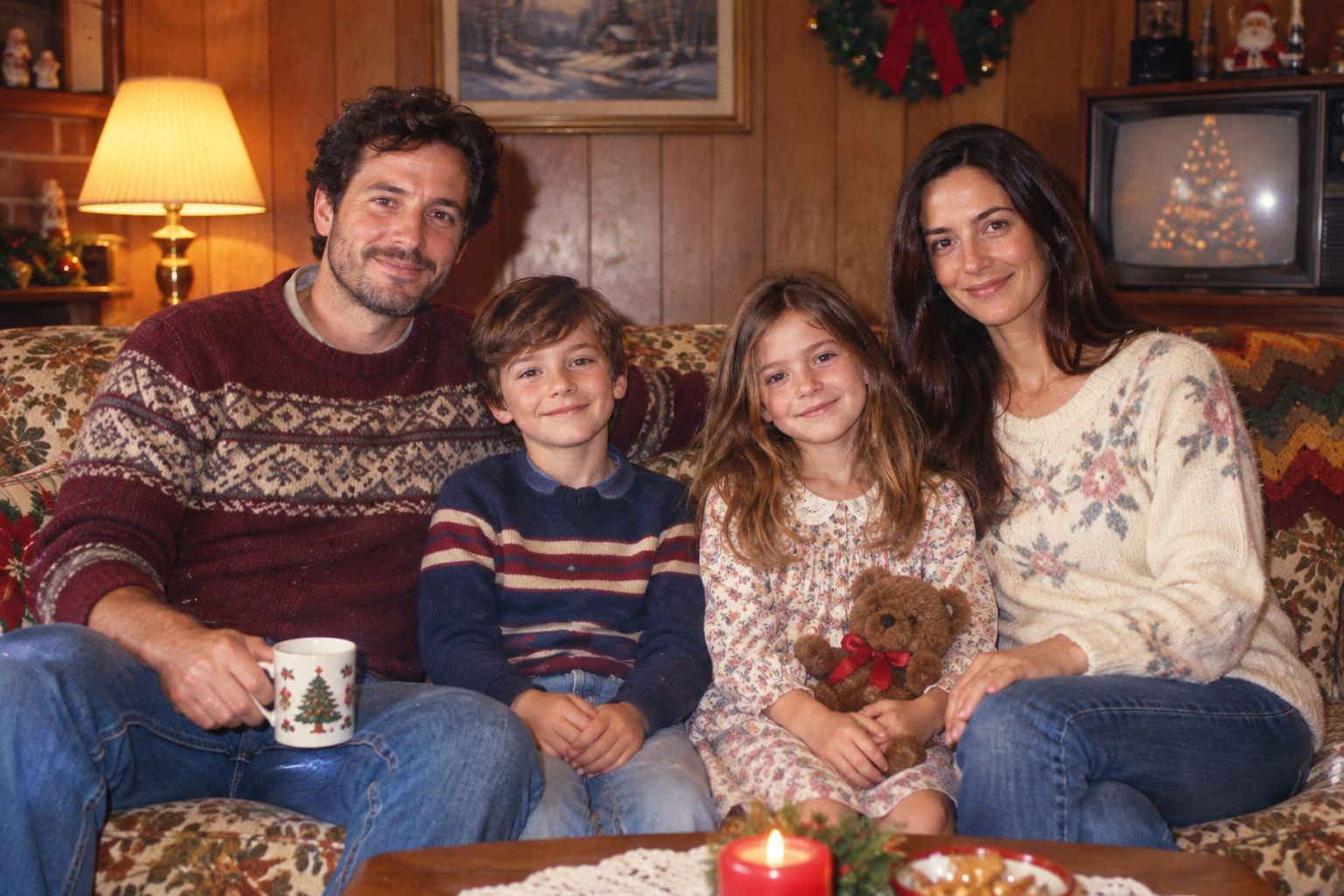 1986
A candid family-of-four living-room photograph with period furniture, on-camera flash, and natural documentary energy.
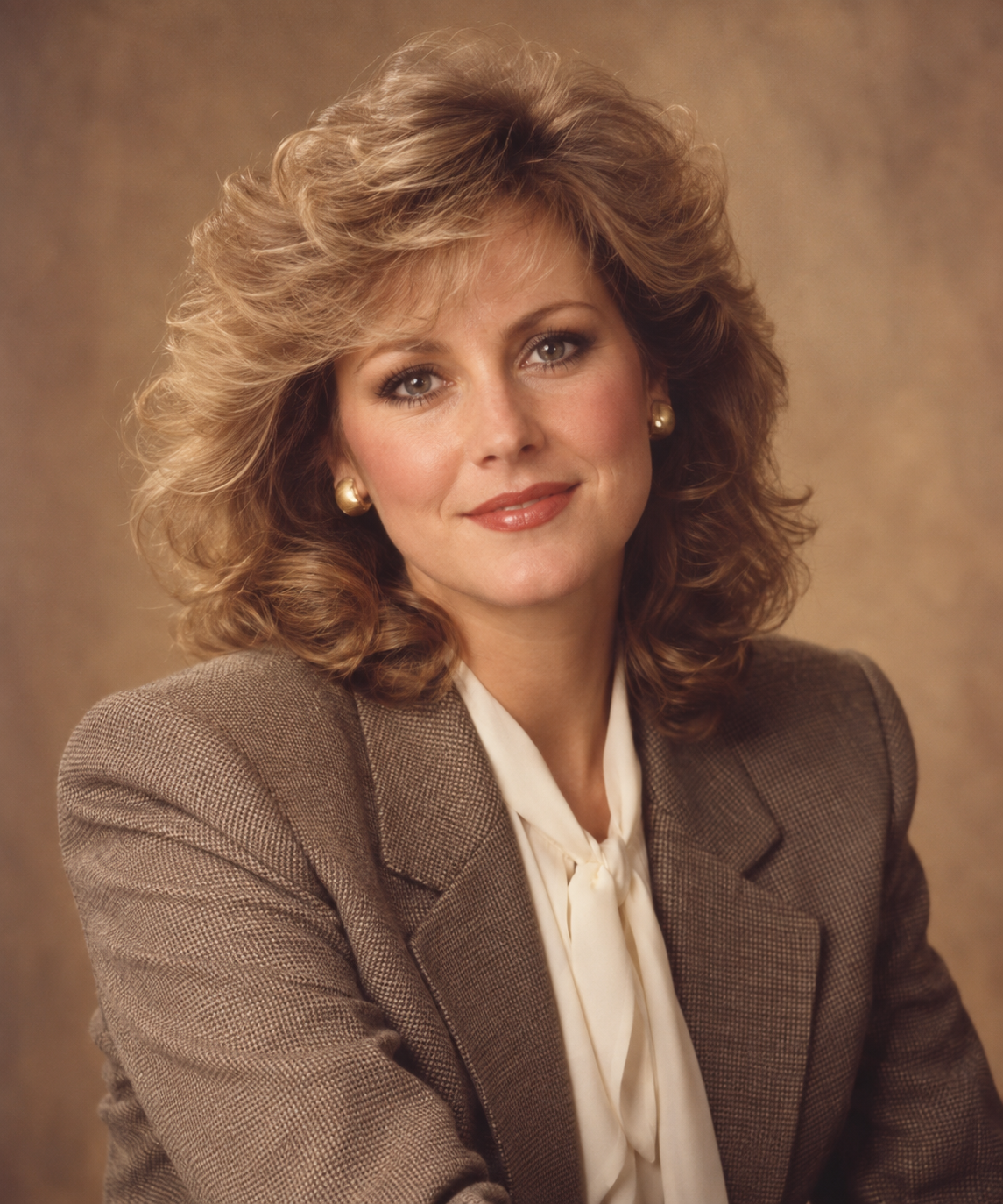 1983
A glossy 1983 editorial portrait with soft beauty light and understated period styling.
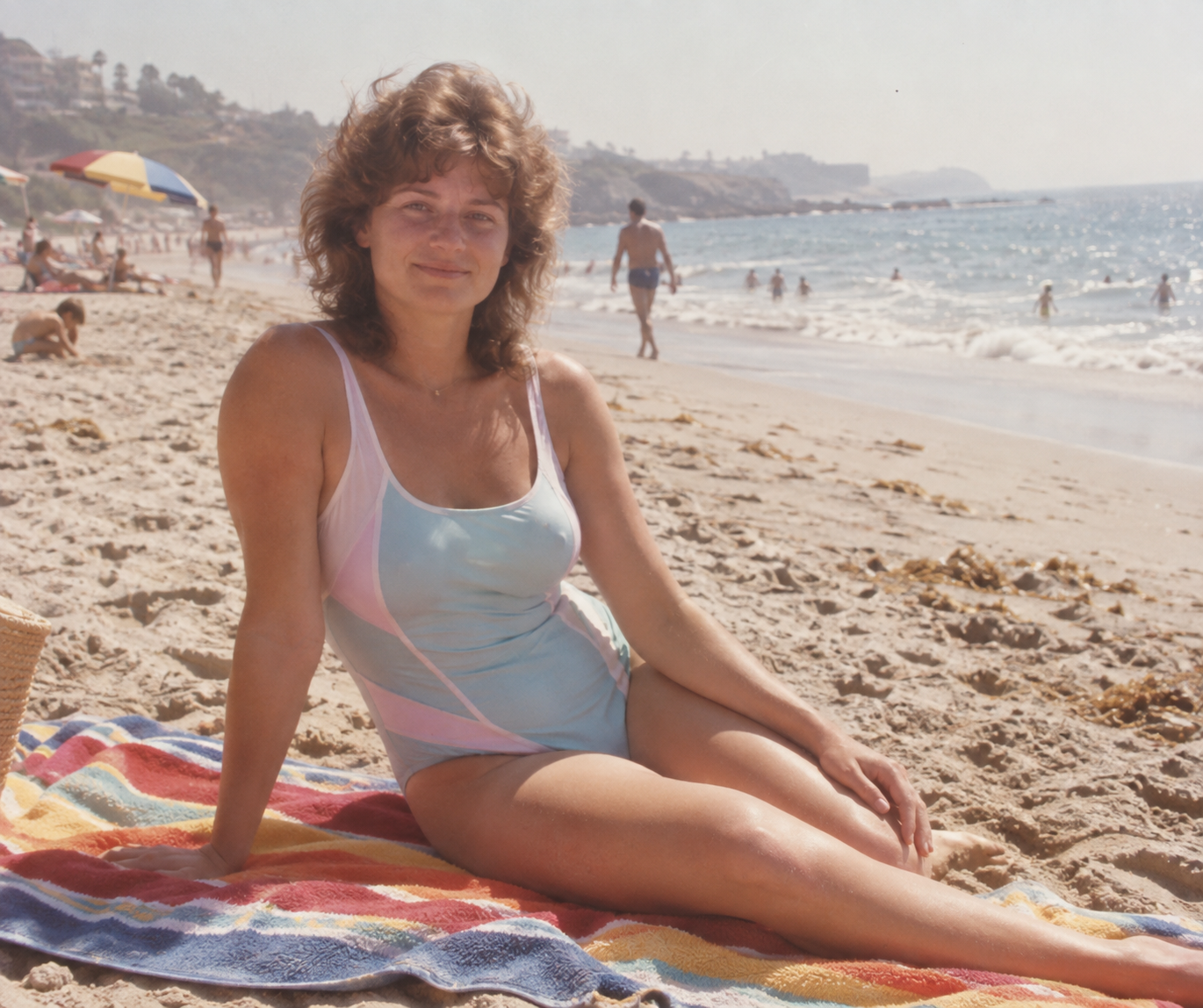 1985
A confident 1985 business portrait with broad tailoring and classic studio flash.
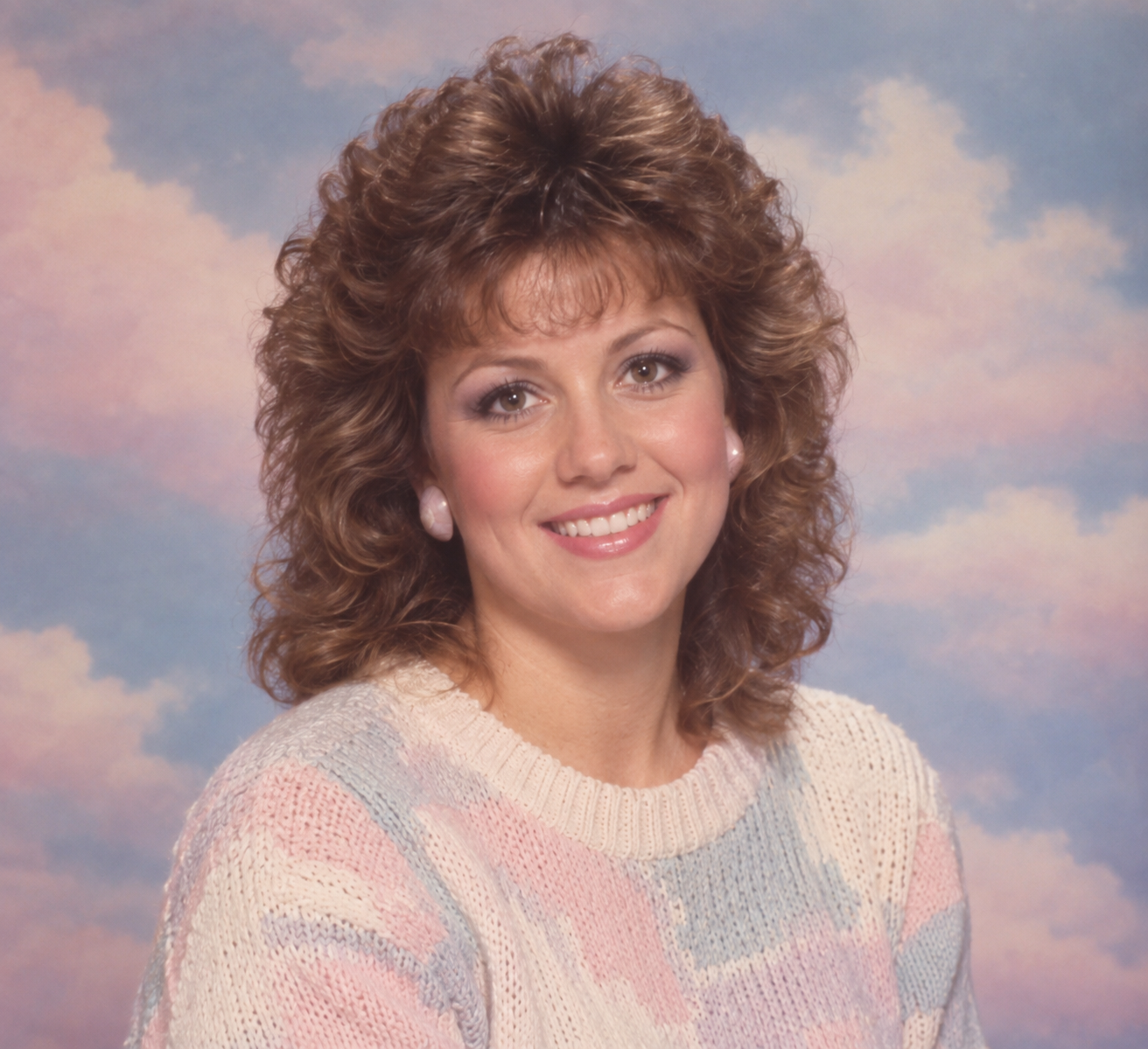 1982
A cheerful 1982 mall studio portrait with painted backdrop and even flash.
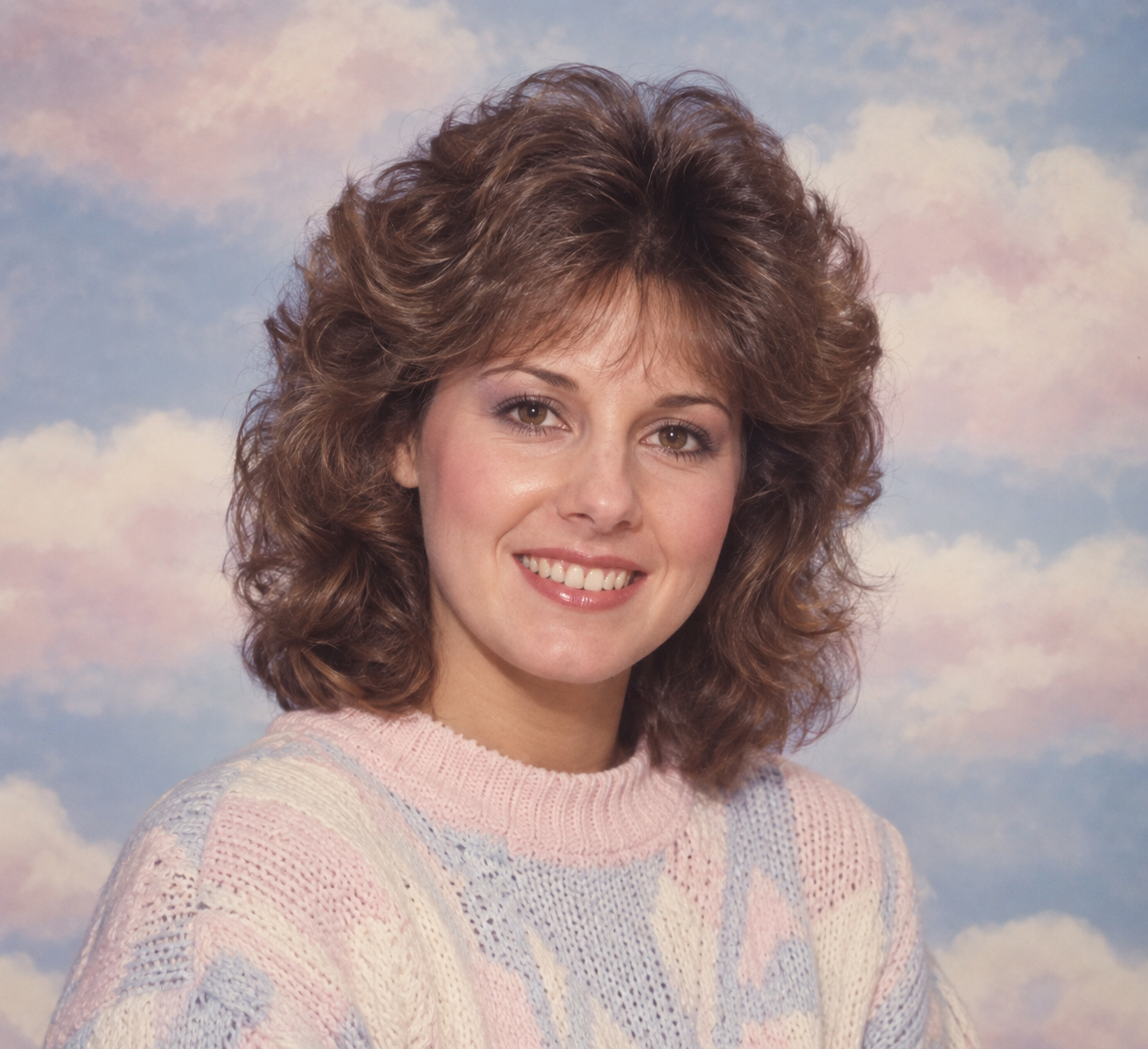 1988
A candid 1988 roadside travel snapshot with sun, denim, and consumer film texture.
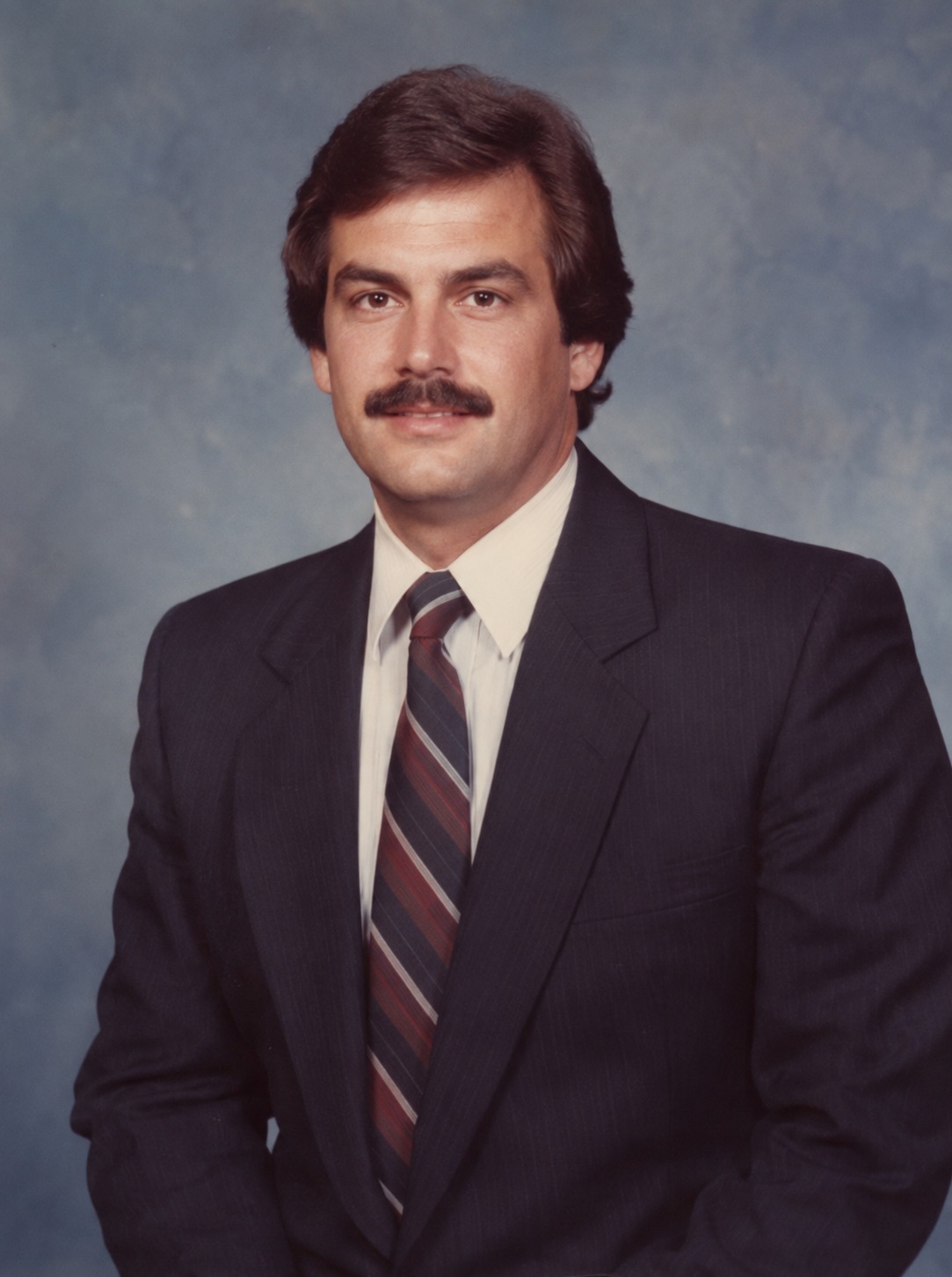 1981
A sunlit 1981 family vacation photograph with pastel swimwear and analog color.
Vaporwave works when its pastel color and computer-era references belong to a real photographic scene. Think of a quiet bedroom with a CRT monitor, a mall studio with a painted gradient, or a late afternoon room where chrome and glass catch pink light. The prompt should establish the place and the camera before adding a dreamy palette. That order keeps the result photographic instead of turning it into a generic digital poster.
Use a restrained palette of lavender, dusty pink, cream, and cool blue. Add one reflective surface, one period object, and one practical light source. A soft 35mm lens, slight print texture, and modest grain help the colors feel captured on film. Ask for generic screens or signage without readable logos, because invented text often distracts from the subject.
Choose the card by the emotional temperature you need. The softer studio and bedroom directions work for a calm portrait; reflective mall and computer details suit a more graphic mood. Keep the prompt's setting sentence even when you change clothing or pose. That sentence is what stops the palette from becoming a generic gradient. Save the first useful output and record which object carried the vaporwave feeling so the next revision stays focused.
Start with a medium crop and one subject. Preserve the identity sentence if you are using a reference, then select a 4:5 or 1:1 ratio. After the first result, adjust only the palette or one object. If the frame becomes too clean, request scanned print texture; if it becomes too futuristic, remove neon grids and name an ordinary room or mall setting.
The most common failure is a cyberpunk image with no 1980s photographic behavior. Another is an overloaded scene with chrome, grids, floating text, and several unrelated props. Reduce the list, keep the light motivated, and let one analog cue do the work. Use the correction prompts on each card when modern devices or plastic skin appear.
A dreamy style does not change the rights in a reference photograph. Use an image you own or have permission to edit, and disclose AI assistance when a viewer could mistake the result for a real archival frame. Avoid copying a living artist's signature style or a recognizable brand campaign.
For a useful comparison, save the exact prompt, reference description, model name, aspect ratio, and one sentence about the result. Check the year, subject count, identity, lighting direction, and crop before changing the color or mood. If something fails, copy the original output and apply one correction prompt. This record tells you whether a problem came from the reference, the composition, or a model-specific interpretation. It also makes the page’s guidance practical: you can return to the same category later and know which period details held up across attempts.
Pastel gradients, chrome reflections, and dreamy 1980s computer culture. The prompts call out concrete camera, color, lighting, and styling choices so your output stays rooted in the 1980s.
Use a well-lit reference, preserve the identity sentence, and make one visual change at a time. Visit the 80s photo prompt home page for other directions.